


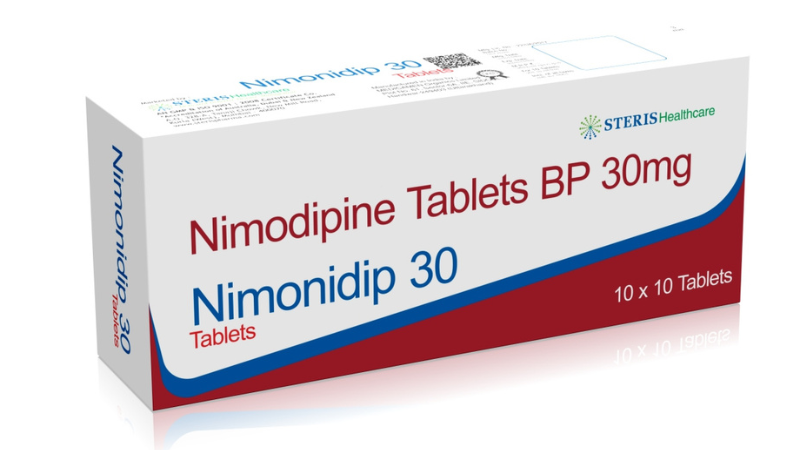



Nimodipine BP 30mg – Mechanism of Action, Safety, and Effectiveness
Feb 18, 2025
What Are Nimodipine Tablets BP 30 mg?
Nimodipine Tablets BP 30 mg are commonly prescribed calcium channel blockers used in neurological care, especially in conditions affecting the brain's blood vessels. Nimodipine works by relaxing and widening cerebral blood vessels, improving blood flow to brain tissues. It is particularly important in preventing complications that follow certain types of brain injury or bleeding.
This medicine is widely used in hospitals, neurology departments, and emergency care due to its protective effects on brain cells.
Nimodipine Tablets BP 30 mg – Primary Uses
Below are the most important, medically approved and widely recognized uses of Nimodipine 30 mg:
1. Prevention of Cerebral Vasospasm After Subarachnoid Hemorrhage (SAH)
This is the most common and clinically approved use of Nimodipine 30 mg.
-
After a subarachnoid hemorrhage (bleeding around the brain), blood vessels may tighten suddenly, reducing blood flow.
-
This condition is called cerebral vasospasm, which can lead to stroke, brain damage, or even death.
Nimodipine 30 mg helps prevent and reduce vasospasm, improving blood flow and protecting the brain during recovery.
2. Improving Brain Blood Flow After Aneurysm Rupture
Patients who experience a ruptured brain aneurysm are at a high risk of reduced blood supply to brain tissues.
Nimodipine:
-
Dilates cerebral arteries
-
Ensures adequate oxygen supply
-
Reduces secondary neurological damage
This makes it a key part of post-aneurysm treatment.
3. Neuroprotection After Brain Injury
Nimodipine is often used to support recovery in patients with traumatic brain injury (TBI), head trauma, or post-surgical brain complications.
Its benefits include:
-
Improved micro-circulation in the brain
-
Reduced risk of delayed ischemia
-
Better neurological outcomes
Though this use is sometimes off-label, many neurologists rely on Nimodipine for its neuroprotective effects.
4. Management of Delayed Cerebral Ischemia (DCI)
After a hemorrhage or aneurysm, patients may develop DCI, where parts of the brain do not receive enough blood.
Nimodipine helps by:
-
Preventing artery narrowing
-
Maintaining blood flow
-
Reducing the risk of secondary stroke
This makes it an essential therapy during early recovery.
5. Stabilizing Cerebral Hypertension-Related Issues (Selective Use)
In some patients with long-standing hypertension affecting brain vessels, Nimodipine may be prescribed to:
-
Relax blood vessels
-
Improve neurological symptoms
-
Prevent vascular complications
However, this depends on clinical judgment and is not for routine hypertension treatment.
6. Management of Cognitive Symptoms (Off-Label Use)
Some neurologists use Nimodipine to support patients with:
-
Cognitive impairment
-
Memory difficulties
-
Poor concentration associated with vascular insufficiency
This use is still under study, but patients with chronic blood flow deficits may benefit.
Why Is Nimodipine Preferred for Brain-Related Conditions?
Nimodipine is a cerebral-selective calcium channel blocker, meaning it acts more effectively on brain blood vessels than those of the heart or body.
Its advantages include:
-
Strong affinity for brain tissue
-
Effective prevention of vasospasm
-
Proven neuroprotective action
-
Reduced risk of stroke after SAH
-
Enhanced cognitive outcomes in selected cases
These qualities make Nimodipine BP 30 mg a critical medicine in neuro-intensive care.
Who Should Use Nimodipine 30 mg?
Nimodipine should be used only under medical supervision, typically for:
-
Patients recovering from subarachnoid hemorrhage
-
Individuals with ruptured aneurysms
-
Patients prone to cerebral vasospasm
-
Those undergoing neurosurgery
-
Selected cases of traumatic brain injury
Self-medication is strictly not recommended.
How Long Is Nimodipine Taken?
For most SAH patients, Nimodipine is taken for 21 days, often as a hospital protocol.
The dosage schedule may vary based on:
-
Patient condition
-
Blood pressure levels
-
Clinical improvement
-
Physician supervision
Recent Post
Itopride Hydrochloride Uses: What It Treats and How It Works

Glimepiride 0.5 mg + Voglibose 0.2 mg + Metformin SR 500 mg | Steris Healthcare
Trimetazidine Hydrochloride Modified Release Tablets 35 mg Uses, Benefits

EUROSOFT MOSQUITO SHIELD
Olmesartan and Metoprolol: Uses, Benefits, Dosage & Side Effects | Steris Healthcare
Tofacitinib 11 mg Tablets: A Complete Guide to Uses and Side Effects
Olmesartan Medoxomil + Metoprolol Succinate: Uses, Dosage
Torsemide 100 mg: Uses, Dosage, Side Effects, and Precautions
How Streptococcus Thermophilus Supports Digestive Health
Olmesartan Medoxomil + Metoprolol Succinate: Uses, Benefits & Side Effects

