


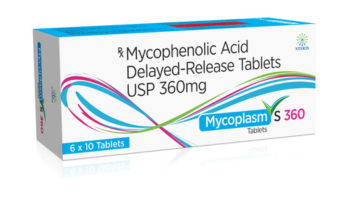



Mycophenolate sodium (360mg)
May 03, 2023
Mycophenolic acid is one of the most widely prescribed immunosuppressant medications used to prevent organ transplant rejection. MYCOPLASM S 360, containing mycophenolic acid 360 mg in a delayed-release formulation, is designed to protect transplanted organs by controlling the body's immune response. This comprehensive guide answers the most common patient questions about mycophenolic acid 360 mg — from how it works to its side effects, drug interactions, and correct usage.
What Is Mycophenolic Acid 360 mg Used For?
Mycophenolic acid 360 mg is an immunosuppressant medication used along with corticosteroids and cyclosporine or tacrolimus to prevent organ rejection in patients who have received a kidney transplant.
Mycophenolic acid works by suppressing the immune system so that it does not attack and reject a newly transplanted organ. It is typically part of a combination immunosuppressive regimen rather than being used alone.
MYCOPLASM S 360 (mycophenolic acid delayed-release tablets USP 360 mg) is prescribed specifically for:
- Prevention of acute rejection in adult kidney transplant recipients
- Maintenance immunosuppression therapy after organ transplantation
- Use in combination with other immunosuppressants such as tacrolimus, cyclosporine, and corticosteroids
Why Am I Taking Mycophenolic Acid 360 mg?
If your transplant team has prescribed mycophenolic acid, it is almost always because you have undergone (or are preparing for) an organ transplant, most commonly a kidney transplant. Your immune system naturally recognizes transplanted tissue as "foreign" and tries to attack it — a process called rejection. Mycophenolic acid dampens this immune response, giving your new organ the best chance of long-term survival and function.
How Does Mycophenolic Acid Work?
Mycophenolic acid is a selective inhibitor of inosine monophosphate dehydrogenase (IMPDH), an enzyme essential for the growth of T-lymphocytes and B-lymphocytes — the white blood cells responsible for immune attacks. By blocking this enzyme, mycophenolic acid:
- Slows down the proliferation of lymphocytes
- Reduces antibody production
- Lowers the immune system's ability to reject transplanted tissue
Mycophenolic acid works by blocking an enzyme (IMPDH) that immune cells need to multiply, which reduces the body's ability to attack a transplanted organ.
Is Mycophenolic Acid an Immunosuppressant?
Yes. Mycophenolic acid is classified as an immunosuppressant drug. It belongs to a class of medications specifically designed to reduce the activity of the immune system, which is essential in preventing transplant rejection but also means patients on this medication are more susceptible to infections.
What Conditions Does Mycophenolic Acid Treat?
Mycophenolic acid is primarily approved for:
- Kidney transplant rejection prevention
It may also be used off-label by specialists for certain autoimmune conditions such as lupus nephritis, though this should only be done under strict physician supervision, as such use falls outside standard labeling.
Mycophenolic Acid vs. Mycophenolate Mofetil: What's the Difference?
This is one of the most searched questions among transplant patients, and it's an important distinction.
Mycophenolic acid (as in mycophenolate sodium 360 mg delayed-release tablets) and mycophenolate mofetil are two different formulations of the same active drug class, but they are not interchangeable milligram-for-milligram.
| Feature | Mycophenolic Acid (Delayed-Release) | Mycophenolate Mofetil |
|---|---|---|
| Formulation | Enteric-coated, delayed-release | Immediate-release |
| Common strength | 360 mg / 180 mg | 500 mg / 250 mg |
| Absorption site | Small intestine (delayed) | Stomach (immediate) |
| GI tolerability | Generally better tolerated | Higher GI side effects reported |
| Conversion | 360 mg mycophenolic acid ≈ 500 mg mycophenolate mofetil | — |
Because mycophenolate sodium 360 mg and mycophenolate mofetil 360 mg are not bioequivalent on a strict mg-to-mg basis, your physician determines the correct dose based on which formulation you are switching from or to. Never switch between these two forms without medical supervision.
How Should I Take Mycophenolic Acid 360 mg?
Mycophenolic acid 360 mg tablets should be taken orally, on an empty stomach, at the same time every day, and swallowed whole without crushing, splitting, or chewing.
Can I Take Mycophenolic Acid With Food?
Ideally, mycophenolic acid should be taken on an empty stomach — at least one hour before or two hours after meals. Food can reduce the peak concentration of the drug in the blood, though total absorption is not significantly affected. If nausea makes it difficult to take on an empty stomach, discuss this with your doctor rather than adjusting the timing yourself.
What Happens If I Miss a Dose of Mycophenolic Acid?
If you miss a dose, take it as soon as you remember — unless it is close to the time of your next scheduled dose. In that case, skip the missed dose and continue your regular schedule. Never take a double dose to make up for a missed one. Because this medication affects transplant protection, consistent adherence is critical; set reminders or use a pill organizer to avoid missed doses.
Can I Split or Crush Mycophenolic Acid 360 mg Tablets?
No. MYCOPLASM S 360 tablets are enteric-coated and delayed-release, meaning the coating controls where and how the drug is absorbed in your digestive tract. Crushing, splitting, or chewing the tablet destroys this protective coating, which can cause the medication to be released too early, reduce its effectiveness, and increase stomach irritation. Always swallow the tablet whole with water.
When Is the Best Time to Take Mycophenolic Acid?
Most transplant protocols recommend taking mycophenolic acid twice daily, 12 hours apart (for example, 8 AM and 8 PM), to maintain steady drug levels in the blood. Taking it at the same time every day helps maintain consistent immunosuppression and reduces the risk of organ rejection.
Mycophenolic Acid 360 mg Side Effects
Common side effects of mycophenolic acid 360 mg include diarrhea, nausea, vomiting, stomach pain, headache, low blood cell counts, and increased risk of infection.
Common Side Effects
- Diarrhea and abdominal pain
- Nausea and vomiting
- Headache and fatigue
- Low white blood cell count (leukopenia)
- Low red blood cell count (anemia)
- Tremors
- Swelling in hands, ankles, or feet (edema)
- Increased susceptibility to infections (colds, urinary tract infections)
Does Mycophenolic Acid Cause Diarrhea?
Yes, diarrhea is one of the most frequently reported side effects of mycophenolic acid, affecting a significant proportion of patients, particularly during the first few months of therapy. The delayed-release formulation in MYCOPLASM S 360 was specifically developed to reduce gastrointestinal side effects compared to older immediate-release versions, but diarrhea can still occur. Persistent or severe diarrhea should always be reported to your doctor, as it may require dose adjustment or additional evaluation to rule out infection.
Can Mycophenolic Acid Cause Hair Loss?
Hair thinning or hair loss has been reported by some patients taking mycophenolic acid, though it is considered a less common side effect compared to GI symptoms or blood count changes. If you notice significant hair loss, inform your transplant team, as they may want to evaluate other contributing factors such as nutritional status, thyroid function, or other medications.
Does Mycophenolic Acid Weaken the Immune System?
Yes — this is actually the intended therapeutic effect of the drug. Mycophenolic acid deliberately suppresses immune activity to prevent organ rejection. However, this also means your body has a reduced ability to fight off infections. Patients on mycophenolic acid should:
- Practice good hand hygiene
- Stay up to date on doctor-approved vaccinations
- Avoid contact with people who are actively sick
- Report fevers, chills, or unusual symptoms promptly
Mycophenolic Acid and Kidney Side Effects
mycophenolate mofetil 360 mg itself is not considered directly nephrotoxic (kidney-damaging) in the way that some other immunosuppressants like cyclosporine or tacrolimus are, but it can indirectly affect kidney health through severe diarrhea leading to dehydration, or through bone marrow suppression that complicates transplant management.
Key points regarding mycophenolic acid and the kidneys:
- Mycophenolic acid does not have the direct nephrotoxic profile associated with calcineurin inhibitors
- Severe, prolonged diarrhea can cause dehydration, which may strain kidney function
- Regular blood tests are essential to monitor kidney function, complete blood counts, and drug levels
- Any sudden decrease in urine output, swelling, or unusual fatigue should be reported immediately, as it may signal either rejection or another complication
Because mycophenolic acid is almost always used specifically to protect transplanted kidneys, regular monitoring of kidney function through blood creatinine, eGFR, and urinalysis is a standard part of therapy — not because the drug typically harms the kidneys, but because kidney transplant patients require close surveillance overall.
Serious Side Effects and Warnings
While most side effects are manageable, mycophenolic acid carries several important safety warnings that every patient should understand:
- Increased risk of infections, including viral, bacterial, and fungal infections, due to immune suppression
- Increased risk of certain cancers, particularly lymphoma and skin cancers, with long-term use
- Bone marrow suppression, which can cause low white blood cells, low red blood cells, or low platelets
- Birth defects and pregnancy loss — mycophenolic acid is known to cause serious harm to a developing fetus if taken during pregnancy
- Progressive multifocal leukoencephalopathy (PML), a rare but serious brain infection, has been reported in immunosuppressed patients
- Gastrointestinal bleeding or ulceration in rare cases
When Should I Call My Doctor While Taking Mycophenolic Acid?
Contact your healthcare provider immediately if you experience:
- Fever, chills, sore throat, or signs of infection
- Unusual bruising or bleeding
- Severe or persistent diarrhea or vomiting
- Signs of an allergic reaction (rash, swelling, difficulty breathing)
- Decreased urine output or swelling
- Extreme fatigue or pale skin (possible signs of anemia)
- Any new neurological symptoms such as confusion, vision changes, or weakness
Drug Interactions With Mycophenolic Acid
Can I Take Mycophenolic Acid With Antibiotics?
Some antibiotics can interact with mycophenolic acid. In particular:
- Antibiotics containing amoxicillin or other combinations may reduce mycophenolic acid blood levels
- Rifampin significantly reduces mycophenolic acid concentrations and should generally be avoided
- Always inform any prescribing doctor or pharmacist that you are taking mycophenolic acid before starting a new antibiotic
Does Mycophenolic Acid Interact With Antacids?
Yes. Antacids containing magnesium and aluminum hydroxide can reduce the absorption of mycophenolic acid when taken at the same time. It is generally recommended to separate the timing of antacids from your mycophenolic acid dose by at least two hours. Proton pump inhibitors (PPIs) may also be used cautiously under physician guidance, as some formulations can affect absorption.
Can I Drink Alcohol While Taking Mycophenolic Acid?
Alcohol is generally discouraged while taking mycophenolic acid. Since the medication already carries risks of gastrointestinal irritation and can affect liver and blood cell function, alcohol may worsen these effects. Additionally, alcohol can further weaken immune function and interact with other medications commonly prescribed alongside mycophenolic acid, such as steroids. Discuss any alcohol use with your transplant team.
Which Medicines Should I Avoid With Mycophenolic Acid?
Medications and substances that may interact with mycophenolic acid include:
- Live vaccines (should generally be avoided during immunosuppressive therapy)
- Cholestyramine (reduces absorption of mycophenolic acid)
- Certain antibiotics (as noted above)
- Azathioprine (should not be combined, as both affect similar pathways)
- Magnesium/aluminum-based antacids
Does Mycophenolic Acid Interact With Birth Control?
This is an especially important interaction. Mycophenolic acid can reduce the effectiveness of oral contraceptives (birth control pills). Because mycophenolic acid also poses a significant risk of birth defects and miscarriage, women of childbearing potential are generally advised to:
- Use two reliable forms of contraception simultaneously
- Continue effective contraception for at least six weeks after stopping mycophenolic acid
- Discuss family planning openly with their transplant physician before, during, and after therapy
Storage and Handling Information
Proper storage helps maintain the effectiveness of MYCOPLASM S 360:
- Store at room temperature, away from excess heat and moisture
- Keep tablets in their original packaging until ready to use
- Keep out of reach of children and pets
- Do not use tablets that have crossed the expiry date printed on the pack
- Pregnant women or those trying to conceive should avoid direct handling of crushed or broken tablets (though as noted, tablets should never be crushed for administration)
Who Should Avoid Mycophenolic Acid?
Certain patients should not take mycophenolic acid, or should do so only under close specialist supervision:
- Women who are pregnant or planning pregnancy, due to confirmed risk of birth defects and pregnancy loss
- Patients with known hypersensitivity to mycophenolic acid or mycophenolate mofetil
- Patients with rare hereditary deficiency of HGPRT (such as Lesch-Nyhan or Kelley-Seegmiller syndrome)
- Patients with active, untreated serious infections, without physician clearance
About MYCOPLASM S 360 by Steris Healthcare
MYCOPLASM S 360 is manufactured under strict quality control standards by Steris Healthcare, formulated as mycophenolic acid delayed-release tablets USP 360 mg. Each batch is tested for potency, dissolution, and stability to ensure consistent therapeutic performance for transplant patients who depend on reliable, steady dosing.
Steris Healthcare is committed to supporting transplant patients with accessible, high-quality immunosuppressive therapies backed by rigorous manufacturing standards and pharmacovigilance practices.
For prescribing information, batch-specific data, or to report a side effect, contact your pharmacist or reach out to Steris Healthcare through your healthcare provider.
Frequently Asked Questions (Quick Reference)
Q: What is mycophenolic acid 360 mg used for?
A: It is used to prevent organ (primarily kidney) transplant rejection by suppressing the immune system.
Q: Is mycophenolate sodium 360 mg the same as mycophenolate mofetil 360 mg?
A: No, they are different formulations of related compounds with different absorption profiles and are not interchangeable without physician guidance.
Q: Can I stop taking mycophenolic acid if I feel fine?
A: No. Stopping this medication without physician approval can trigger organ rejection, even if you feel well.
Q: How long will I need to take mycophenolic acid?
A: Most transplant patients take immunosuppressants like mycophenolic acid long-term, often for the life of the transplanted organ, unless your doctor changes your regimen.
Important Safety Note: This article provides general educational information about mycophenolic acid 360 mg (MYCOPLASM S 360) and is not a substitute for professional medical advice, diagnosis, or treatment. Dosing, interactions, and side effect management must always be personalized by your transplant physician or healthcare provider based on your complete medical history and current lab results.
Recent Post
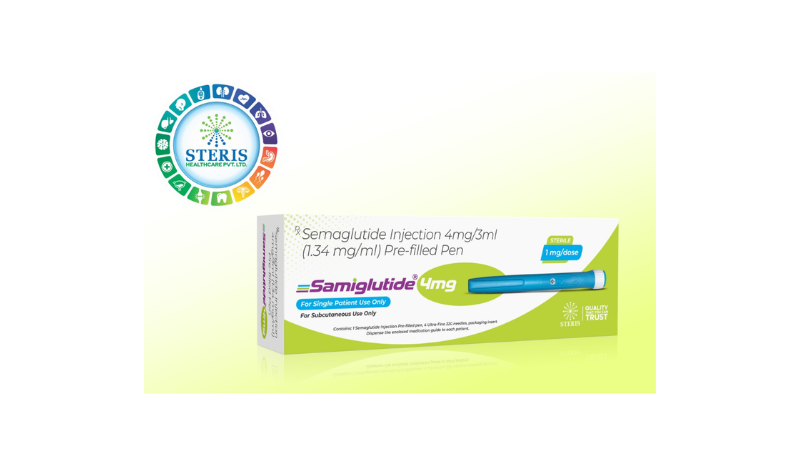
Semaglutide 4mg vs Pancreatitis Risk: What Doctors Want You to Know
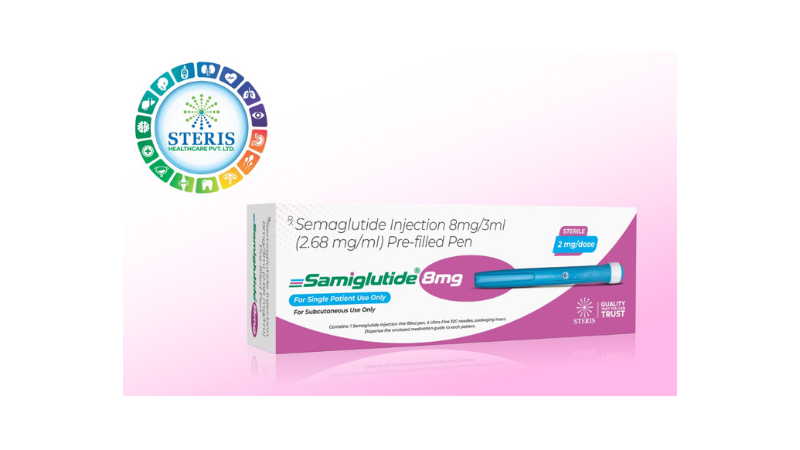
Semaglutide 8mg Injection: Frequently Asked Questions Answered by Experts
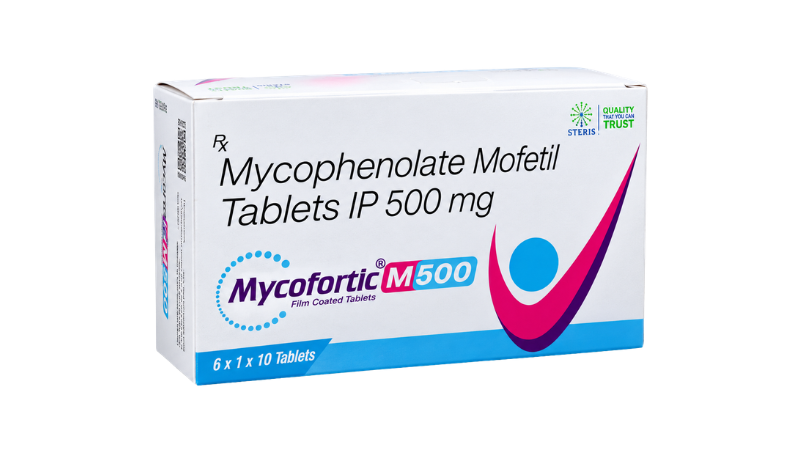
Mycophenolate Mofetil 500mg (Mycofortic M 500): Uses, Benefits & Precautions – Complete Guide
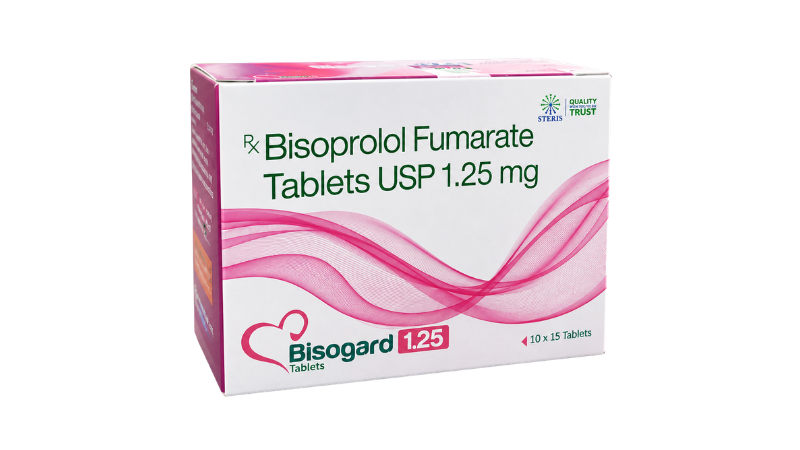
What is Bisogard 1.25? Bisoprolol 1.25mg Uses, Dosage & Side Effects Explained

Can Semaglutide Injection Be Used Without Diabetes?
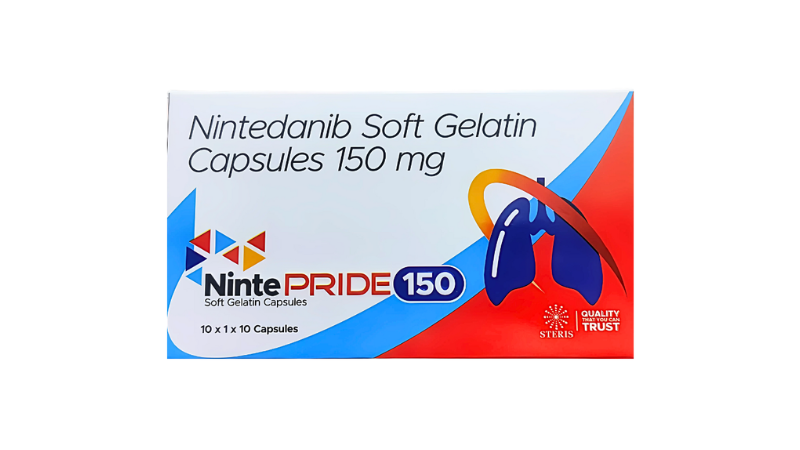
What Are Nintedanib Soft Gelatin Capsules Used For? Complete Guide
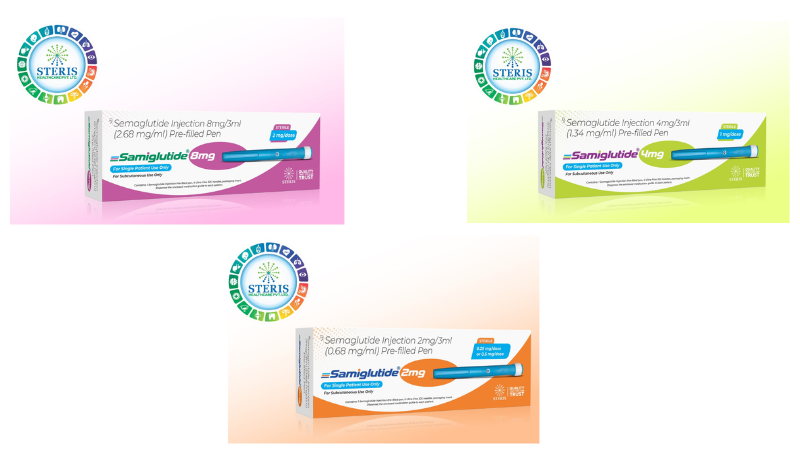
Where to Buy Semaglutide Injection in India: Price, Pen & Prescription Guide
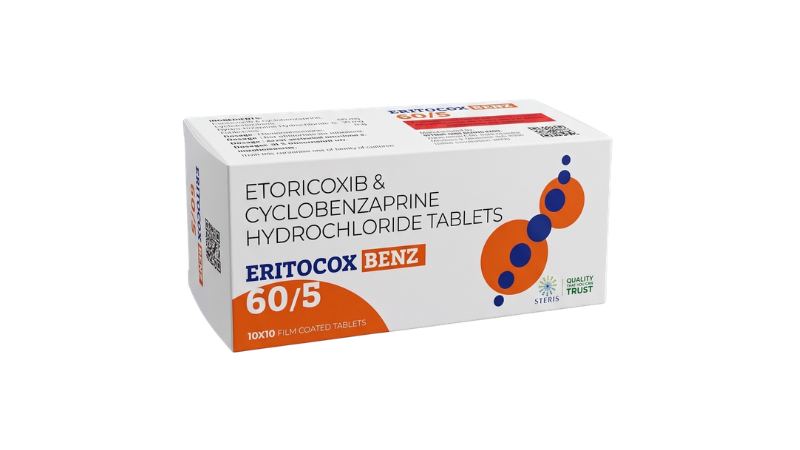
ERITOCOX BENZ 60/5 Dosage Guide: How to Take Etoricoxib & Cyclobenzaprine Tablets Safely
Gabapentin and Methylcobalamin Tablets Side Effects: What Patients Should Know
Thyroxine sodium tablets IP: उपयोग, फायदे और साइड इफेक्ट्स