





Hydroxychloroquine (400mg)
May 24, 2023
HYDROQUIZ 400 is a brand of hydroxychloroquine 400 mg tablets, a prescription medicine used mainly as an immunomodulatory agent (DMARD) in autoimmune diseases such as systemic lupus erythematosus (SLE) and rheumatoid arthritis (RA), and in some settings for chloroquine‑sensitive malaria (treatment or prophylaxis depending on local recommendations).
Hydroxychloroquine has been used for decades and is valued because it can help reduce disease activity and prevent flares in autoimmune conditions, often with a comparatively favorable long‑term safety profile when the dose is appropriate and monitoring is done, particularly for retinal (eye) safety.
1) What is HYDROQUIZ 400?
HYDROQUIZ 400 contains:
-
Hydroxychloroquine 400 mg (commonly as hydroxychloroquine sulfate equivalent to 400 mg hydroxychloroquine strength as per label; always check your pack)
What hydroxychloroquine is (drug class)
Hydroxychloroquine (HCQ) is:
-
An antimalarial (older classification)
-
An immunomodulatory agent used as a DMARD (Disease‑Modifying Anti‑Rheumatic Drug) in rheumatology/autoimmune practice
What it is NOT
-
Not a steroid
-
Not an NSAID painkiller (like ibuprofen/diclofenac)
-
Not a biologic injection
-
Not an antibiotic
It is a slow‑acting controller medicine intended to improve disease control over time.
2) Why HYDROQUIZ 400 is prescribed (Indications / Uses)
A) Systemic lupus erythematosus (SLE)
Hydroxychloroquine is considered a cornerstone therapy in many lupus treatment plans because it can:
-
Reduce flares and disease activity
-
Improve symptoms such as fatigue, joint pain, and skin manifestations
-
Support long‑term disease management as part of a broader regimen
It is commonly used in:
-
Mild to moderate SLE
-
Maintenance therapy after stabilization
-
Cutaneous lupus (skin‑dominant lupus) under specialist care
B) Rheumatoid arthritis (RA)
In RA, hydroxychloroquine is used as a DMARD to:
-
Reduce joint inflammation and pain over time
-
Help slow disease activity in selected patients (often mild disease or combination therapy)
It may be used alone in some patients or in combination with other DMARDs as decided by the rheumatologist.
C) Other inflammatory/autoimmune conditions (specialist-directed)
Depending on clinical judgment and local practice, hydroxychloroquine may be used in selected cases of:
-
Sjögren’s syndrome (symptom‑focused and patient‑specific)
-
Undifferentiated connective tissue disease
-
Some inflammatory arthritis patterns
D) Malaria (chloroquine-sensitive strains)
Hydroxychloroquine can be used for treatment or prevention of malaria only where sensitive strains are present and per local guidelines. In many areas, resistance patterns limit use.
Important note on off-label / controversial uses
Hydroxychloroquine has been discussed for various conditions over time. Use should be guided by evidence-based recommendations and your clinician’s judgment. Do not self-medicate.
3) How HYDROQUIZ 400 works (Mechanism of action)
Hydroxychloroquine has multiple effects depending on the condition being treated.
A) In autoimmune disease (immunomodulation)
Hydroxychloroquine can:
-
Increase the pH inside lysosomes/endosomes in immune cells, altering antigen processing and immune signaling
-
Reduce activation of Toll‑like receptors (TLR7/9), which are important in autoimmune pathways (notably in lupus)
-
Modify cytokine signaling and immune cell communication in a way that reduces inflammatory activity
Clinical impact: reduced inflammatory symptoms and reduced flare tendency over time.
B) In malaria (antiparasitic action)
Hydroxychloroquine interferes with parasite processes inside red blood cells (effective only in sensitive strains), helping clear infection or prevent it when used appropriately.
4) What benefits to expect (and how long it takes)
Autoimmune conditions: expected benefits
Patients may experience:
-
Fewer flares (especially in lupus)
-
Reduced joint pain and stiffness
-
Improvement in skin rashes/photosensitivity in some lupus patients
-
Better overall day‑to‑day functioning as inflammation decreases
Timeline (typical)
Hydroxychloroquine is not an instant symptom reliever.
-
Some people notice improvement within 4–8 weeks
-
More reliable benefit may take 8–12 weeks
-
Full benefit can take several months
Because of this delay, clinicians may use short-term symptom treatments (e.g., NSAIDs or limited steroids) while HCQ begins to work—only if appropriate.
5) Understanding the 400 mg dose (Why dose-by-weight matters)
Hydroxychloroquine dosing is not only about the tablet strength; long-term safety depends on daily dose relative to body weight.
Why dosing-by-weight matters
A major long-term risk is retinal toxicity (HCQ retinopathy). Risk increases with:
-
Higher daily dose (especially if above recommended mg/kg limits)
-
Longer duration of therapy (risk rises notably after years of use)
-
Kidney disease (reduced clearance)
-
Concomitant tamoxifen use
-
Pre-existing retinal disease
Many modern recommendations emphasize keeping chronic daily dosing at or below a body‑weight based threshold (often discussed as ~5 mg/kg/day of actual body weight in some guidance). Your prescriber will tailor your dose.
Key point: A “400 mg daily” regimen may be appropriate for some adults but may be too high for others depending on weight and risk factors. Dose individualization is essential.
6) How to take HYDROQUIZ 400 correctly (Administration)
Typical dosing patterns (general education)
Depending on the disease and the prescriber’s plan, hydroxychloroquine may be taken:
-
Once daily (e.g., 400 mg once daily), or
-
Divided doses (e.g., 200 mg twice daily when using 200 mg strength products), especially if GI upset occurs
With a 400 mg tablet, some prescriptions may specify once daily dosing. Do not split or alter tablets unless your clinician/pharmacist confirms it is appropriate for that exact product.
Best practices for taking hydroxychloroquine
-
Take with food or milk to reduce nausea and stomach upset.
-
Take at the same time each day for consistency.
-
Swallow with a full glass of water.
-
If you have stomach upset, discuss dose timing or supportive strategies with your clinician rather than stopping.
Missed dose (general guidance)
-
Take the missed dose when you remember unless it is close to the next dose.
-
If close, skip the missed dose and continue normally.
-
Do not double dose.
Because HCQ is long-acting, occasional timing variation is less critical than with short-acting medicines, but consistent adherence improves outcomes.
7) Monitoring and follow-up (Key safety topic: eye screening)
Hydroxychloroquine is generally well tolerated, but appropriate monitoring is important.
A) Eye (retina) safety monitoring
HCQ retinopathy is uncommon but serious because it can be irreversible if detected late. Early detection and correct dosing are the best preventive strategies.
Typical monitoring concepts (your ophthalmologist decides exact tests and timing):
-
Baseline eye exam early in therapy (often within the first year for long-term users)
-
Follow‑up screening at intervals based on risk:
-
Often annually after several years of use (commonly after ~5 years)
-
Earlier and more frequent if high risk (high dose, kidney disease, tamoxifen use, existing retinal disease)
-
Common screening tools may include:
-
Visual field testing
-
Optical coherence tomography (OCT)
-
Other specialized retinal assessments as needed
What vision symptoms require urgent attention
Contact your doctor promptly if you notice:
-
Blurred vision not explained by glasses changes
-
Difficulty reading
-
Trouble seeing in dim light
-
Distorted central vision
-
Missing/blank spots in vision
-
New color vision changes
Do not ignore subtle changes—early evaluation matters.
8) Other monitoring commonly done in clinical practice
While HCQ does not always require intensive lab monitoring, clinicians often review:
-
Body weight (for dose appropriateness over time)
-
Kidney function (especially if chronic therapy)
-
Liver function (if risk factors or co-medications)
-
Blood counts if clinically indicated
-
Blood glucose in diabetics or those with symptoms (HCQ can lower glucose)
-
Review of medications for interactions (QT risk, digoxin, etc.)
Monitoring is individualized: your diagnosis, comorbidities, and other therapies determine the plan.
9) Side effects of HYDROQUIZ 400 (Common to serious)
Common side effects
These are often mild and may improve over time:
-
Nausea, stomach upset
-
Diarrhea or abdominal cramps
-
Headache
-
Skin rash or itching
-
Increased sensitivity to sunlight in some individuals
-
Mild dizziness
Less common but important side effects
-
Skin pigmentation changes (long-term, uncommon)
-
Hair changes (thinning or texture change)
-
Tinnitus or hearing changes (rare; report if occurs)
-
Mood changes or sleep disturbance (uncommon but possible)
Serious adverse effects (require prompt medical review)
-
Retinopathy/vision toxicity
The most emphasized long-term risk. Requires eye screening and dose control. -
Heart rhythm effects (QT prolongation)
Risk increases if combined with other QT‑prolonging medicines or in patients with:-
electrolyte abnormalities (low potassium/magnesium)
-
underlying arrhythmia
-
significant heart disease
-
-
Cardiomyopathy (very rare)
Long-term use has rarely been associated with heart muscle disease. Seek medical help for unexplained breathlessness, swelling, or persistent fatigue. -
Severe hypoglycemia
HCQ can lower blood sugar. In some patients (especially diabetics on insulin or sulfonylureas), this can be clinically significant. -
Severe skin reactions (rare)
Any widespread rash, blistering, or mucosal involvement needs urgent evaluation.
10) Contraindications and “who should avoid” (General)
Exact contraindications depend on local labeling and clinician judgment. Common reasons to avoid or use only with specialist oversight include:
-
Known hypersensitivity/allergy to hydroxychloroquine or related compounds
-
Existing significant retinal disease (often requires careful risk assessment)
-
Situations where safe monitoring cannot be ensured
-
Certain serious cardiac rhythm conditions where QT prolongation risk is unacceptable
Your clinician will decide suitability after reviewing medical history and medications.
11) Key precautions (Use carefully in these situations)
A) Kidney disease
Reduced kidney function can increase drug exposure and toxicity risk (including eye risk). Dose adjustment and closer monitoring may be needed.
B) Liver disease
Use cautiously, especially if combined with other hepatotoxic medicines.
C) Diabetes or frequent low blood sugar
Hydroxychloroquine can lower glucose. Patients may need:
-
closer glucose monitoring
-
adjustment of antidiabetic therapy (doctor-led)
D) Psoriasis or porphyria (clinical caution)
Hydroxychloroquine can worsen certain skin conditions in susceptible individuals; prescribers assess risks.
E) G6PD deficiency
Hemolysis risk with hydroxychloroquine is generally considered lower than with some other agents, but clinicians may still use caution depending on patient risk and local practice.
F) Neuromuscular disease (selected caution)
Very rare cases of myopathy/neuropathy are reported; persistent muscle weakness should be evaluated.
12) Drug interactions (High-yield list)
Always share a complete list of prescription, OTC, and supplements.
A) QT‑prolonging drugs (major practical interaction category)
Combining multiple QT‑prolonging drugs increases arrhythmia risk. Examples include certain:
-
antiarrhythmics
-
antipsychotics
-
macrolide antibiotics
-
fluoroquinolone antibiotics
-
some antidepressants
Your clinician will decide whether combination is acceptable and whether ECG monitoring is needed.
B) Digoxin
Hydroxychloroquine can increase digoxin levels in some cases—dose adjustment/monitoring may be required.
C) Antidiabetic medicines (insulin, sulfonylureas)
May increase risk of hypoglycemia; glucose monitoring is important.
D) Antacids (absorption interaction)
Some antacids may reduce hydroxychloroquine absorption if taken together. A time gap is often advised (ask your pharmacist for specific spacing guidance).
E) Other immunomodulators/DMARDs
Often used together in RA/SLE regimens. Not necessarily a “drug interaction” problem but requires coordinated monitoring for additive adverse effects.
13) Use in pregnancy and breastfeeding (Common clinical questions)
Pregnancy
In many rheumatology practices, hydroxychloroquine is often continued during pregnancy in women with lupus when clinically indicated, because controlling maternal disease can protect both mother and baby. However:
-
decisions are individualized
-
the prescriber balances maternal benefit vs any potential risk
-
specialist oversight (rheumatology/obstetric medicine) is common
Never stop HCQ abruptly in pregnancy without medical advice—disease flare risk can be significant.
Breastfeeding
Hydroxychloroquine may be compatible with breastfeeding in many cases, but:
-
the decision depends on infant health and maternal necessity
-
monitoring and clinician guidance are recommended
14) Patient counseling: how to use HYDROQUIZ 400 safely
If you are starting or continuing HYDROQUIZ 400, these practical points help:
-
Take with food to reduce stomach upset.
-
Be patient with onset: benefit often takes weeks to months.
-
Do not self-adjust dose to speed results—higher doses increase toxicity risk.
-
Keep eye appointments: baseline and follow-up screening protects vision.
-
Report vision changes immediately.
-
Discuss all medicines before adding new prescriptions/OTCs (especially antibiotics, heart rhythm drugs).
-
Monitor blood sugar if you have diabetes or symptoms of hypoglycemia (sweating, shakiness, confusion).
-
Adherence matters: stopping and restarting without guidance can worsen disease control.
-
Sun protection: if photosensitivity occurs, use sunscreen/protective clothing.
-
Store properly and keep out of children’s reach.
15) Overdose (Safety information)
Hydroxychloroquine overdose can be very dangerous, particularly in children.
Possible overdose signs
-
Severe nausea/vomiting
-
Drowsiness, confusion, seizures
-
Low blood pressure
-
Dangerous heart rhythm changes
Emergency action: Seek immediate emergency medical care if overdose is suspected.
16) Storage instructions (General)
-
Store at room temperature in a cool, dry place
-
Protect from moisture and heat
-
Keep away from direct sunlight
-
Keep out of reach of children
-
Do not use after expiry date
Follow exact storage instructions on the HYDROQUIZ 400 pack.
17) Summary: HYDROQUIZ 400 in one view
hydroxychloroquine 400 mg tablets is a prescription medicine used mainly for SLE and RA (and for malaria in selected settings). It works by modulating immune activity and reducing inflammatory signaling, helping to reduce flares and improve symptoms over time. Safe long‑term use depends on:
-
Appropriate dose-by-weight prescribing
-
Regular eye screening to minimize retinopathy risk
-
Awareness of QT/heart rhythm risk in susceptible patients and with interacting drugs
-
Monitoring for side effects and maintaining clinician follow-up
18) Frequently Asked Questions
Q1. Is HYDROQUIZ 400 a painkiller?
No. It is a disease‑modifying/immunomodulatory medicine that reduces inflammation over time. Pain relief may happen gradually as disease control improves.
Q2. How long do I need to take hydroxychloroquine?
Many autoimmune conditions require long-term management. Duration is individualized. Do not stop without medical advice, especially in lupus.
Q3. Why do I need eye tests if my vision feels normal?
Retinal changes can begin without symptoms. Screening aims to detect early changes before vision loss occurs.
Q4. Can I take HYDROQUIZ 400 with antibiotics?
Some antibiotics can interact (QT risk) or may be chosen cautiously in autoimmune patients. Always inform the prescriber you are taking hydroxychloroquine.
Q5. What should I do if I feel dizzy or have palpitations?
Seek medical advice promptly—especially if you have fainting, chest pain, or persistent palpitations.
Q6. Can hydroxychloroquine affect blood sugar?
Yes, it can lower blood sugar. Diabetics should monitor glucose and discuss medication adjustments with their clinician.
If You Want To Purchase The Product Click Here.
We Have Our Orthopedic Range.
|
Composition |
Brand Name |
|
HYDROQUIZ 200 |
|
|
HYDROQUIZ 400 |
From quality and niche products STERIS HEALTHCARE PVT LTD grow rapidly in all segments. STERIS HEALTHCARE products range covers almost every cadre of requirement in today's Medical scenario, widely prescribed under categories like Cardiology, Asthama, Respiratory, Nasal, Diabetic, Endocrinology, Cardiology, Gastrology, Orthopaedic, Anti-infective/antibiotic, General, Urology, Neurology, Nephrology, Oncology, Gynaecology, Pediatric, Dental & Derma range of Products. We have been around for more than 8 years. However, within a short span of time STERIS HEALTHCARE has increase his product range from 0 to 1800+ in Seven years. STERIS is careful to balance growth with the unshakable quality assurance systems for which the company is now recognized, the founders were quickly able to broaden their footprint in the market, increasing access to high-quality Healthcare for people across the globe, at every stage of life.

Recent Post

Probiotic Sachet with FOS, L-Glutamine & Colostrum – Uses and Benefits

How Telmisartan and Nebivolol Work to Manage High Blood Pressure

Pimavanserin 34 mg Capsules – Uses & Benefits
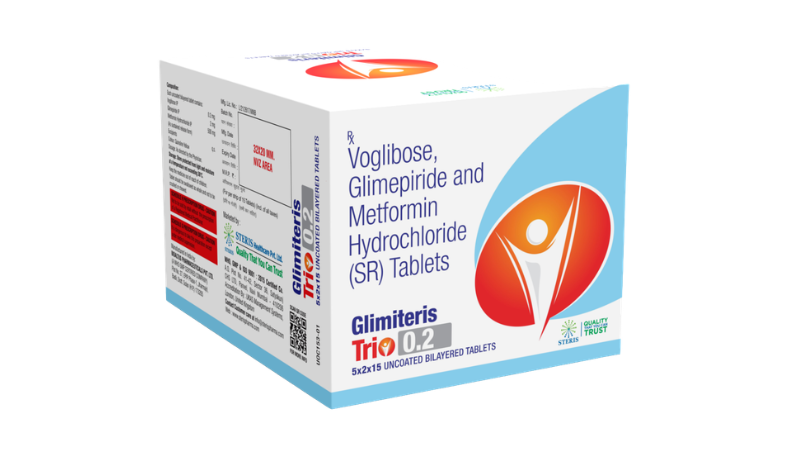
Voglibose, Glimepiride and Metformin: Uses, Benefits and Side Effects
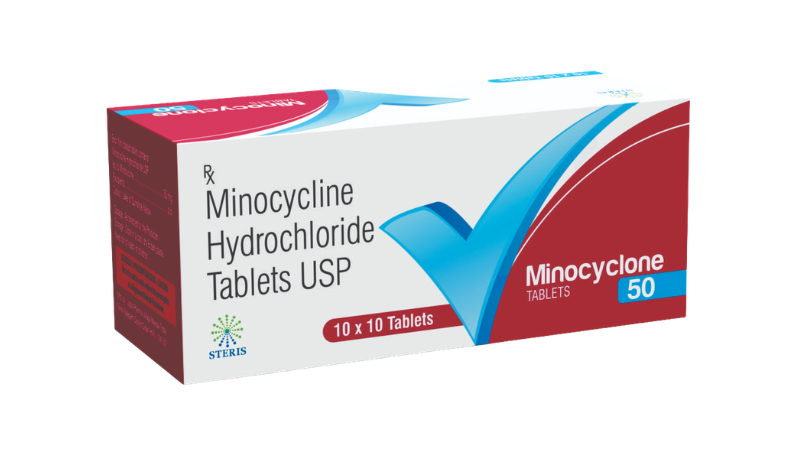
What Is Minocycline Hydrochloride Used For? A Complete Guide
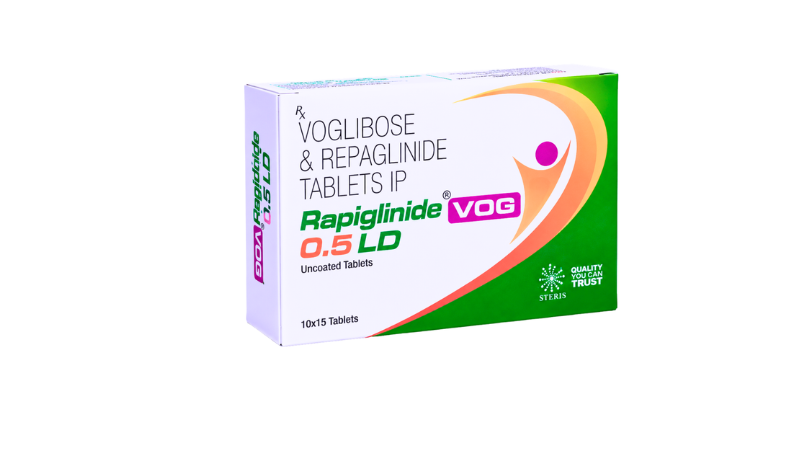
Voglibose and Repaglinide Tablets – Uses, Price & Buy Online in India

Amorphous Hydrogel with Colloidal Silver: Uses & Benefits

Donepezil Hydrochloride with Memantine Hydrochloride Uses, Benefits & Price in India

Amino Acid with Vitamin and Mineral Tablets Nutritional Support Explained

Fluticasone Furoate, Umeclidinium Bromide & Vilanterol Inhalation Powder