


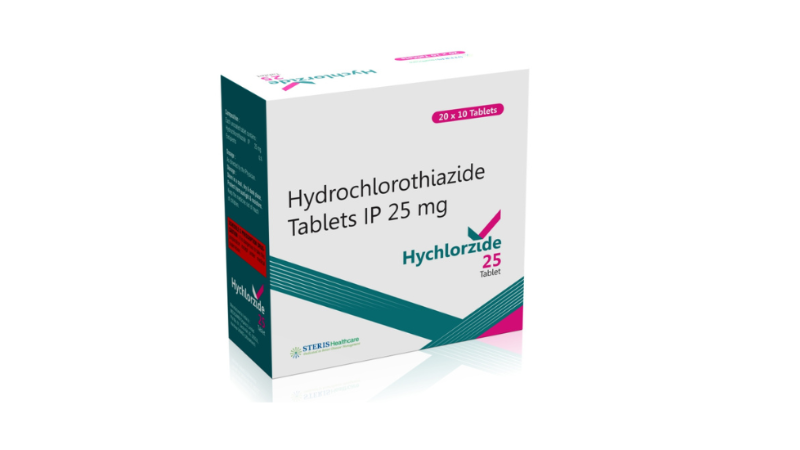



Hydrochlorothiazide (25mg) - Uses, Dosage, and Safety….
Jul 18, 2024
What Is Hydrochlorothiazide Tablet?
Hydrochlorothiazide tablet contains hydrochlorothiazide as the active pharmaceutical ingredient. It belongs to the thiazide diuretic (water pill) group of medicines.
Thiazide diuretics act mainly on the kidneys by increasing the removal of sodium and water through urine. This reduces the amount of circulating fluid in blood vessels, which may contribute to lower blood pressure.
Hydrochlorothiazide has been used clinically for many years and remains an important medicine in hypertension management due to its established effectiveness and clinical experience.
How Does Hydrochlorothiazide Work?
Hydrochlorothiazide works primarily in the distal convoluted tubules of the kidneys.
Its main actions include:
1. Increased Sodium and Water Excretion
Hydrochlorothiazide inhibits sodium reabsorption in the kidneys. As more sodium is eliminated, water follows, resulting in increased urine production.
This diuretic effect helps:
- Reduce excess body fluid
- Decrease blood volume
- Reduce pressure within blood vessels
2. Blood Pressure Reduction
Over time, hydrochlorothiazide contributes to reduced vascular resistance and improved blood pressure control.
It may be prescribed:
- Alone for some patients
- In combination with other antihypertensive medicines
3. Reduction of Fluid Accumulation
By promoting fluid removal, hydrochlorothiazide may help manage edema associated with conditions such as:
- Heart-related fluid retention
- Kidney disorders
- Liver-related fluid imbalance
The specific use depends on individual patient evaluation.
What is Hydrochlorothiazide 25 mg Used For?
1. Hypertension (High Blood Pressure)
The most common use of hydrochlorothiazide tablet is the treatment of hypertension.
High blood pressure increases the risk of:
- Heart disease
- Stroke
- Kidney damage
- Other cardiovascular complications
By helping lower blood pressure, hydrochlorothiazide may support long-term cardiovascular risk management when used appropriately.
2. Edema (Fluid Retention)
Hydrochlorothiazide may be used to reduce excess fluid accumulation.
Edema may occur due to:
- Congestive heart failure
- Certain kidney conditions
- Liver disorders
- Other medical causes
Healthcare professionals should identify the underlying cause before initiating therapy.
3. Combination Therapy for Blood Pressure Control
Hydrochlorothiazide is frequently combined with other antihypertensive agents.
Combination therapy may be considered when:
- Blood pressure targets are not achieved with one medicine
- Different mechanisms are required for effective control
Common combinations may include medicines from classes such as:
- ACE inhibitors
- Angiotensin receptor blockers (ARBs)
- Other antihypertensive agents
Key Benefits of Hydrochlorothiazide Tablet
1. Effective Blood Pressure Management
One of the primary benefits of hydrochlorothiazide is its ability to help reduce elevated blood pressure.
Maintaining controlled blood pressure may help reduce the risk of hypertension-related complications.
2. Helps Reduce Excess Fluid
Hydrochlorothiazide promotes removal of extra fluid from the body.
This may help patients experiencing swelling related to fluid retention.
3. Long Clinical Experience
Hydrochlorothiazide has decades of clinical use, providing healthcare professionals with extensive experience regarding:
- Effectiveness
- Safety profile
- Patient monitoring requirements
4. Convenient Oral Administration
Hydrochlorothiazide is available as an oral tablet, making it convenient for routine outpatient treatment.
Hydrochlorothiazide Tablet Dosage Considerations
The appropriate dosage depends on:
- Medical condition being treated
- Patient age
- Kidney function
- Blood pressure response
- Other medicines being taken
Healthcare professionals determine the appropriate dose based on clinical requirements.
Important considerations include:
- Take exactly as prescribed.
- Regular monitoring may be required.
- Dose adjustments may be necessary depending on treatment response.
Patients should not change dosage without medical advice.
Clinical Monitoring During Hydrochlorothiazide Therapy
Healthcare professionals may monitor:
Blood Pressure
Regular blood pressure monitoring helps determine treatment effectiveness.
Electrolyte Levels
Hydrochlorothiazide may affect electrolyte balance, including:
- Sodium
- Potassium
- Magnesium
Monitoring may be required, especially in patients at higher risk.
Kidney Function
Kidney function assessment may be important before and during treatment.
Side Effects of Hydrochlorothiazide Tablet
Like all medicines, hydrochlorothiazide tablet may cause side effects. The type and severity of side effects can vary depending on the patient’s health condition, dosage, duration of therapy, kidney function, and other medicines being used.
Healthcare professionals should consider individual risk factors and monitor patients appropriately during treatment.
Common Side Effects of Hydrochlorothiazide Tablet
Some commonly reported side effects may include:
- Increased urination
- Dizziness
- Light-headedness
- Weakness
- Dry mouth
- Increased thirst
- Mild electrolyte changes
- Headache
- Gastrointestinal discomfort
In many cases, these effects may improve as the body adjusts to treatment. Persistent or troublesome symptoms should be discussed with a healthcare professional.
Serious Side Effects and Warning Signs
Although uncommon, hydrochlorothiazide may cause serious adverse effects requiring medical evaluation.
1. Electrolyte Imbalance
Because hydrochlorothiazide increases urine production, it may affect electrolyte levels.
Possible signs include:
- Muscle cramps
- Severe weakness
- Irregular heartbeat sensations
- Confusion
- Excessive fatigue
Healthcare professionals may recommend laboratory monitoring to evaluate electrolyte status.
2. Dehydration and Low Blood Pressure
Excessive fluid loss may result in:
- Dizziness
- Fainting
- Excessive thirst
- Reduced blood pressure
Patients should maintain appropriate fluid intake as advised by their healthcare provider.
3. Skin Reactions
Rarely, hydrochlorothiazide may be associated with:
- Severe skin rash
- Increased sensitivity to sunlight
- Unusual skin changes
Patients should report significant skin reactions.
4. Kidney Function Changes
Patients with kidney-related conditions may require closer monitoring because diuretics can influence fluid and electrolyte balance.
Contraindications and Precautions
Before prescribing hydrochlorothiazide tablet, healthcare professionals should evaluate the patient’s medical history.
Conditions Requiring Careful Assessment
Caution may be needed in patients with:
- Severe kidney impairment
- Significant electrolyte abnormalities
- Severe dehydration
- Allergy to thiazide medicines
- Liver disease
- History of gout
- Diabetes
- Increased sensitivity to sunlight
Hydrochlorothiazide and Kidney Function
Hydrochlorothiazide acts directly on the kidneys, making kidney function an important consideration.
Healthcare professionals may assess:
- Renal function tests
- Fluid balance
- Electrolyte levels
The medicine may not be suitable for some patients with advanced kidney impairment.
Drug Interactions with Hydrochlorothiazide Tablet
A complete medication review is important before starting hydrochlorothiazide.
Potential interactions may occur with:
1. Other Blood Pressure Medicines
When combined with other antihypertensive medicines, hydrochlorothiazide may increase blood pressure-lowering effects.
Monitoring may be required to avoid excessive lowering of blood pressure.
2. Lithium
Hydrochlorothiazide may affect lithium levels in the body.
Patients receiving lithium therapy require careful monitoring.
3. Non-Steroidal Anti-Inflammatory Drugs (NSAIDs)
Certain pain medicines may reduce the effectiveness of diuretics or affect kidney function in some patients.
Examples include some commonly used anti-inflammatory medicines.
4. Diabetes Medicines
Hydrochlorothiazide may influence blood glucose control in some individuals.
Patients with diabetes may require monitoring.
5. Corticosteroids and Other Medicines Affecting Electrolytes
Some medicines may increase the risk of electrolyte disturbances when combined with hydrochlorothiazide.
Use in Special Populations
Pregnancy
Use during pregnancy should be based on individual clinical assessment. Healthcare professionals should evaluate potential benefits and risks before prescribing.
Breastfeeding
The suitability of hydrochlorothiazide during breastfeeding depends on dose, patient condition, and professional medical guidance.
Older Adults
Older adults may be more sensitive to:
- Low blood pressure
- Electrolyte changes
- Dehydration
Careful monitoring may be appropriate.
Patients With Diabetes
Hydrochlorothiazide may affect blood sugar levels in some patients. Blood glucose monitoring may be considered.
Storage Instructions for Hydrochlorothiazide Tablet
General storage recommendations:
- Store at room temperature according to product labeling.
- Protect tablets from excessive moisture and heat.
- Keep in the original packaging.
- Keep out of reach of children.
- Do not use expired medication.
Storage instructions may vary by manufacturer.
Clinical Summary
Hydrochlorothiazide tablet remains an important thiazide diuretic used in the management of hypertension and certain forms of edema.
Its therapeutic benefits include:
- Supporting blood pressure reduction
- Helping remove excess fluid
- Providing an established treatment option for cardiovascular risk management
However, appropriate patient selection and monitoring are essential because hydrochlorothiazide may influence electrolyte balance, hydration status, kidney function, and other metabolic parameters.
Healthcare professionals should consider:
- Patient medical history
- Current medicines
- Kidney function
- Electrolyte levels
- Treatment goals
before initiating or adjusting therapy.
Conclusion
Hydrochlorothiazide tablet is a commonly prescribed diuretic medicine with an established role in hypertension and fluid retention management. By increasing urinary sodium and water elimination, it helps reduce fluid volume and may support improved blood pressure control.
The medicine can provide significant clinical benefits when used appropriately, but safe use requires awareness of possible side effects, drug interactions, and patient-specific risk factors.
Regular monitoring, correct dosing, and healthcare professional guidance are essential to achieve effective treatment outcomes while minimizing potential risks.
Frequently Asked Questions
1. What is hydrochlorothiazide tablet used for?
Hydrochlorothiazide tablet is mainly used to treat high blood pressure and reduce excess fluid retention associated with certain medical conditions.
2. How does hydrochlorothiazide work?
Hydrochlorothiazide works by helping the kidneys remove extra sodium and water from the body, which may reduce fluid volume and help lower blood pressure.
3. Is hydrochlorothiazide a water pill?
Yes. Hydrochlorothiazide is a thiazide diuretic, commonly known as a water pill because it increases urine production.
4. What are the main benefits of hydrochlorothiazide tablet?
The main benefits include helping control blood pressure, reducing fluid buildup, and supporting cardiovascular risk management when prescribed appropriately.
5. What are the common side effects of hydrochlorothiazide?
Common side effects may include increased urination, dizziness, weakness, thirst, and electrolyte changes.
6. Can hydrochlorothiazide lower potassium levels?
Yes. Hydrochlorothiazide may reduce potassium levels in some patients, and monitoring may be required.
7. How long does hydrochlorothiazide take to work?
The timing of effects varies. Some blood pressure effects may appear after starting treatment, while the full response may require continued use and monitoring.
8. Can hydrochlorothiazide be taken every day?
Yes, many patients take hydrochlorothiazide daily when prescribed for long-term blood pressure management.
9. Should hydrochlorothiazide be taken in the morning?
It is often taken earlier in the day because it increases urination. Patients should follow their healthcare provider’s instructions.
10. Can hydrochlorothiazide treat swelling?
Yes, hydrochlorothiazide may help reduce certain types of swelling caused by excess fluid retention.
11. Who should avoid hydrochlorothiazide?
People with certain kidney problems, severe electrolyte disturbances, or allergies to thiazide medicines may require alternative treatment.
12. Does hydrochlorothiazide affect kidney function?
Hydrochlorothiazide affects kidney fluid handling, so kidney function may need monitoring in some patients.
13. Can hydrochlorothiazide interact with other medicines?
Yes. It may interact with medicines including certain blood pressure drugs, lithium, NSAIDs, diabetes medicines, and others.
14. Can hydrochlorothiazide cause dizziness?
Yes. Dizziness can occur, especially when blood pressure decreases or fluid levels change.
15. Can hydrochlorothiazide increase urination?
Yes. Increased urination is an expected effect because the medicine promotes removal of sodium and water.
16. Is hydrochlorothiazide safe for older adults?
It may be used in older adults, but monitoring may be needed because they can be more sensitive to dehydration and electrolyte changes.
17. Can hydrochlorothiazide affect blood sugar?
Hydrochlorothiazide may influence blood glucose levels in some patients, especially those with diabetes.
18. What should patients avoid while taking hydrochlorothiazide?
Patients should follow medical advice regarding alcohol, fluid intake, supplements, and other medicines.
Recent Post

Caroverine Capsules 20mg – उपयोग, खुराक, साइड इफेक्ट्स और विकल्प
Bisoprolol 2.5 mg: उपयोग, फायदे, खुराक और साइड इफेक्ट्स
Methotrexate Tablet क्या है? उपयोग और सावधानियां
Losartan 50mg Tablet:उपयोग, खुराक और साइड इफेक्ट्स

Esomeprazole 40mg: उपयोग, खुराक और साइड इफेक्ट्स

Esomeprazoleऔर itopride hydrochloride: संपूर्ण मरीज़ गाइड

L-Arginine & L-Citrulline Tablets – Amino Acid & Circulation Support Supplement

Gabapentine 100 mg: उपयोग, फायदे और सावधानियां पूरी जानकारी

Multivitamin & Multimineral Tablets: उपयोग, फायदे और सावधानियां पूरी जानकारी
Bacillus Clausii Spores Suspension क्या है? जानें उपयोग, फायदे और साइड इफेक्ट्स

