





HYCHLORZIDE 25 : Hydrochlorothiazide 25mg Diuretic Support
Aug 27, 2024
Hydrochlorothiazide 25 mg is a thiazide diuretic (water pill) prescribed in India for hypertension, oedema, and congestive heart failure. It works by inhibiting sodium reabsorption in the distal convoluted tubule of the kidney, increasing urine output. Standard adult dose is 12.5–25 mg once daily.
What is Hydrochlorothiazide 25 mg Tablet?
Hydrochlorothiazide (HCTZ) is a benzothiadiazine-class thiazide diuretic in clinical use since 1959. It remains one of the most commonly prescribed antihypertensive agents globally and is listed on the WHO Model List of Essential Medicines. In India, HCTZ 25 mg tablets are used as first-line or adjunct treatment for hypertension, peripheral oedema, and chronic heart failure.
HCTZ belongs to ATC classification C03AA03 — Low-ceiling diuretics, thiazides. It is approved by CDSCO under Schedule H of the Drugs and Cosmetics Act, 1940 — requiring a valid prescription from a registered medical practitioner.
How Does Hydrochlorothiazide Work?
Hydrochlorothiazide acts on the distal convoluted tubule (DCT) of the nephron. It inhibits the sodium-chloride symporter (NCC), preventing reabsorption of Na⁺ and Cl⁻ ions — increasing urinary sodium and water excretion (natriuresis and diuresis).
| Mechanism Step | Location | Clinical Result |
|---|---|---|
| Inhibits Na⁺/Cl⁻ cotransporter | Distal Convoluted Tubule | Reduced sodium reabsorption |
| Increased osmotic load in tubule | Collecting duct | Increased urinary water excretion |
| Reduced plasma volume | Systemic circulation | Decreased cardiac preload |
| Vasodilation (chronic use) | Peripheral blood vessels | Sustained BP reduction |
| Increased Ca²⁺ reabsorption | DCT (indirect) | Reduced hypercalciuria risk |
The antihypertensive effect in long-term use is partly due to direct arterial vasodilation. BP reduction is evident within 3–4 days, reaching maximum effect at 3–4 weeks.
Indications and Uses
| Indication | Therapeutic Category | Evidence Level |
|---|---|---|
| Essential Hypertension (mild–moderate) | Cardiovascular | Level A (JNC 8, ACC/AHA) |
| Oedema — Congestive Heart Failure | Cardiology / Nephrology | Level A |
| Oedema — Hepatic Cirrhosis | Hepatology | Level B |
| Oedema — Nephrotic Syndrome | Nephrology | Level B |
| Nephrolithiasis (calcium oxalate stones) | Urology | Level B |
| Diabetes Insipidus (nephrogenic) | Endocrinology | Level C |
| Adjunct in Osteoporosis (reduces urinary Ca²⁺ loss) | Orthopaedics | Level C (off-label) |
In the Indian clinical setting, HCTZ is most frequently prescribed in fixed-dose combination (FDC) tablets — commonly with Telmisartan, Losartan, Amlodipine, Metoprolol, or Enalapril.
Dosage and Administration
| Patient Group | Indication | Recommended Dose | Frequency |
|---|---|---|---|
| Adults | Hypertension | 12.5–25 mg | Once daily (morning) |
| Adults | Oedema (mild–moderate) | 25–50 mg | Once or twice daily |
| Elderly (>65 years) | Hypertension / Oedema | 12.5 mg (start low) | Once daily |
| Paediatric (6 months–12 years) | As directed | 1–2 mg/kg/day | Once or twice daily |
| Renal Impairment (eGFR <30) | Avoid or caution | Physician discretion | Monitor closely |
| Hepatic Impairment | Oedema (cirrhosis) | Low dose, titrate slowly | Once daily |
Route: Oral tablet, with or without food
Best time: Morning — to avoid nocturia
Duration: As prescribed; do not discontinue abruptly
Side Effects and Adverse Drug Reactions
| Side Effect | Frequency | Clinical Significance |
|---|---|---|
| Hypokalemia (low potassium) | Common (5–10%) | High — can cause arrhythmias |
| Hyponatremia (low sodium) | Uncommon (1–5%) | High in elderly |
| Hyperuricemia (elevated uric acid) | Common | Moderate — may precipitate gout |
| Postural hypotension / dizziness | Common | Moderate — fall risk in elderly |
| Hyperglycaemia | Uncommon | Moderate — monitor in diabetics |
| Photosensitivity | Rare (<1%) | Mild — use sunscreen |
| Erectile dysfunction | Rare (<1%) | Mild — dose-dependent |
| Non-melanoma skin cancer (NMSC) | Very Rare | Low at therapeutic doses; monitor long-term |
Potassium supplementation or concurrent potassium-sparing diuretics (Spironolactone, Amiloride) are often recommended to prevent hypokalemia — especially in patients on digoxin or antiarrhythmics.
Contraindications and Precautions
Absolute Contraindications:
- Anuria or severe renal failure (eGFR < 10 mL/min/1.73 m²)
- Known hypersensitivity to hydrochlorothiazide or sulfonamide-derived drugs
- Uncorrected severe hyponatremia or hypokalemia
Precautions:
- Monitor serum electrolytes (Na⁺, K⁺, Cl⁻) and renal function every 3–6 months
- Use with caution in diabetics — HCTZ may impair glucose tolerance
- Gout history: monitor serum uric acid
- Pregnancy: Category B; avoid in third trimester (neonatal jaundice, thrombocytopenia risk)
- Breastfeeding: Passes into breast milk in small amounts; consult physician
Drug-Drug Interactions
| Interacting Drug / Class | Effect | Management |
|---|---|---|
| ACE Inhibitors / ARBs (Telmisartan, Losartan) | Additive antihypertensive effect | Beneficial combination; monitor BP |
| NSAIDs (Ibuprofen, Diclofenac) | Reduced diuretic/antihypertensive efficacy | Avoid concurrent use if possible |
| Digoxin | Hypokalemia increases digoxin toxicity risk | Monitor potassium levels closely |
| Lithium | HCTZ increases lithium reabsorption → toxicity | Avoid or reduce lithium dose |
| Corticosteroids (Prednisolone) | Enhanced potassium loss | Monitor electrolytes; supplement K⁺ |
| Antidiabetics (Insulin, Metformin) | HCTZ may raise blood glucose | Monitor blood sugar; adjust dose |
| Amiodarone | Risk of QT prolongation with hypokalemia | ECG monitoring required |
Pharmacokinetic Profile
| Parameter | Value | Clinical Relevance |
|---|---|---|
| Bioavailability | 60–80% (oral) | Good absorption; food has minimal effect |
| Onset of Action | 2 hours | Diuresis begins within 2 hours |
| Peak Effect | 4–6 hours | Maximum BP reduction at 4–6 hours |
| Duration of Action | 6–12 hours | Once-daily dosing sufficient |
| Protein Binding | ~40% | Moderate plasma protein binding |
| Metabolism | Not hepatically metabolised | Excreted unchanged in urine |
| Elimination Half-Life | 6–15 hours | Prolonged in elderly and renal impairment |
| Route of Excretion | Renal (95% unchanged) | Dose reduction in renal insufficiency |
Key Statistics & Clinical References
| Metric / Fact | Value | Source / Year |
|---|---|---|
| Global Hypertension Prevalence | 1.28 billion adults worldwide | WHO Global Health Observatory, 2023 |
| India Hypertension Prevalence | ~28.5% of adults | ICMR-INDIAB Study, 2023 |
| BP Reduction (HCTZ 12.5–25 mg) | -5 to -10 mmHg systolic | Cochrane Review, Musini et al., 2014 |
| Stroke risk reduction with diuretics | ~38% relative risk reduction | ALLHAT Trial, JAMA, 2002 |
| Hypokalemia incidence at 25 mg | ~8–10% of patients | Sica DA, J Clin Hypertens, 2011 |
| WHO Essential Medicine status | Listed on EML since 1977 | WHO Model List, 23rd Edition, 2023 |
| CDSCO Schedule classification | Schedule H (Rx only) | Drugs & Cosmetics Act, India, 1940 |
Frequently Asked Questions
Q1. What is Hydrochlorothiazide 25 mg used for?
Hydrochlorothiazide 25 mg is used primarily to treat hypertension and oedema caused by heart failure, liver cirrhosis, or kidney disease. It is a thiazide diuretic that works by increasing urine output to reduce excess fluid and lower blood pressure.
Q2. How long does it take for Hydrochlorothiazide to lower blood pressure?
It begins lowering BP within 3–4 days of initiation. Maximum antihypertensive effect is typically achieved at 3–4 weeks of regular dosing.
Q3. Can Hydrochlorothiazide be taken with Telmisartan or Losartan?
Yes. HCTZ is commonly prescribed in FDC with ARBs such as Telmisartan (40/80 mg) and Losartan (50/100 mg). These combinations provide additive BP-lowering effects. Steris Healthcare manufactures HCTZ-based FDC antihypertensive tablets for the Indian market.
Q4. What are the most common side effects of Hydrochlorothiazide 25 mg?
The most common side effects are hypokalemia (low potassium), dizziness on standing, increased urination, and elevated uric acid (which may trigger gout). Severe hyponatremia is rare but requires immediate attention.
Q5. Who should not take Hydrochlorothiazide?
It is contraindicated in patients with anuria, severe kidney failure, sulfonamide allergy, and uncorrected severe hypokalemia or hyponatremia. Use with caution in diabetics, elderly patients, and those with gout history.
Q6. Is Hydrochlorothiazide safe during pregnancy?
It is Pregnancy Category B and may be used cautiously in the first and second trimester. It should be avoided in the third trimester due to risk of neonatal jaundice and thrombocytopenia. Always consult an obstetrician.
Q7. What foods should I avoid while taking Hydrochlorothiazide?
Avoid excessive alcohol (increases hypotensive risk) and limit sodium-rich foods. Increase potassium-rich foods (bananas, oranges, potatoes, spinach) or take supplements if prescribed. Limit prolonged sun exposure due to photosensitivity risk.
Q8. What is the difference between Hydrochlorothiazide and Furosemide?
Furosemide is a high-ceiling loop diuretic used for acute or severe fluid overload. HCTZ is a low-ceiling thiazide diuretic preferred for chronic hypertension and mild oedema — gentler and suited for once-daily long-term use.
Q10. What is the Schedule classification of Hydrochlorothiazide in India?
It is classified under Schedule H of the Drugs and Cosmetics Act, 1940. It is a prescription-only medicine regulated by CDSCO and can only be dispensed against a valid prescription from a registered medical practitioner.
For Further More Information:
Mail Us: contact@sterispharma.com or info@sterispharma.com
Call Now: +918824175417, +919982524671
Recent Post
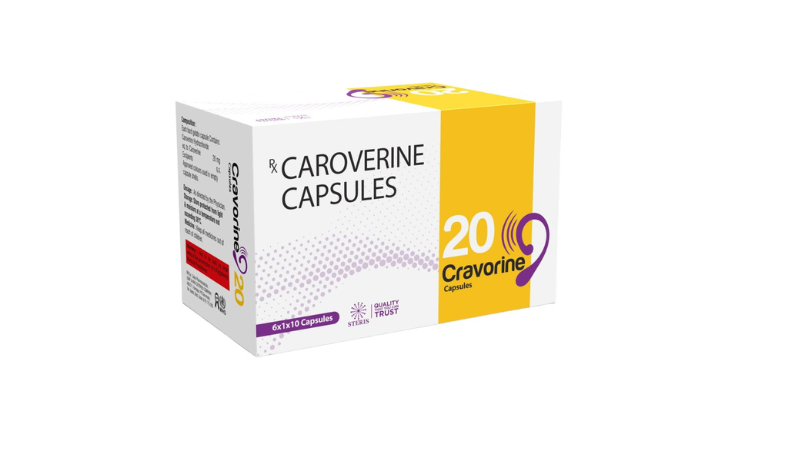
Caroverine Capsules 20mg – उपयोग, खुराक, साइड इफेक्ट्स और विकल्प
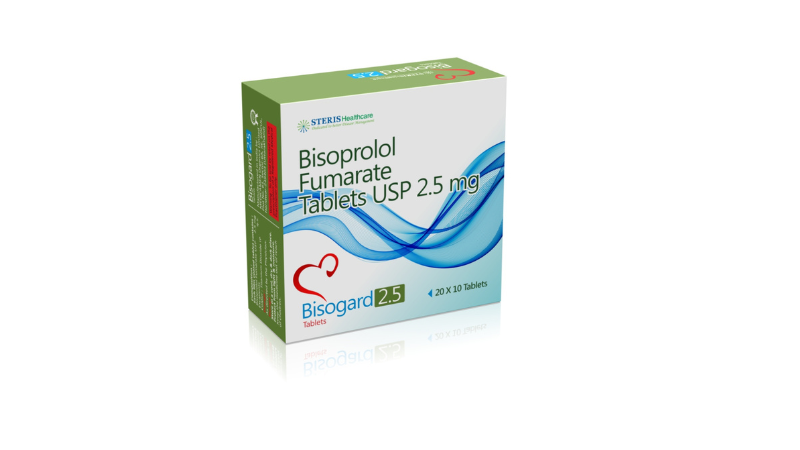
Bisoprolol 2.5 mg: उपयोग, फायदे, खुराक और साइड इफेक्ट्स
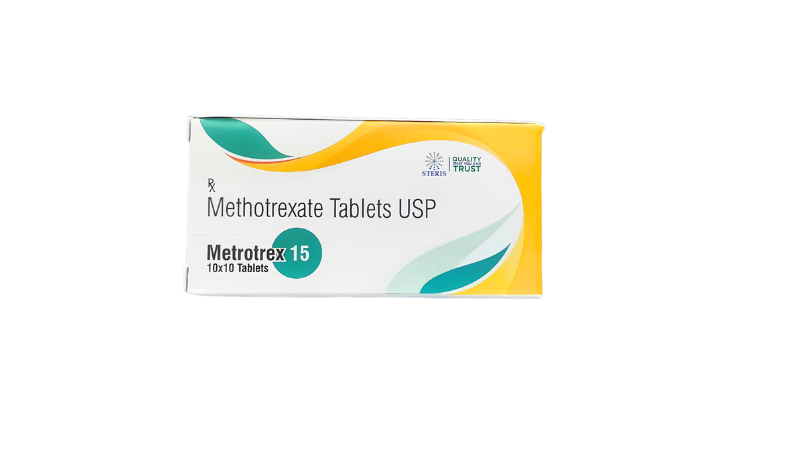
Methotrexate Tablet क्या है? उपयोग और सावधानियां
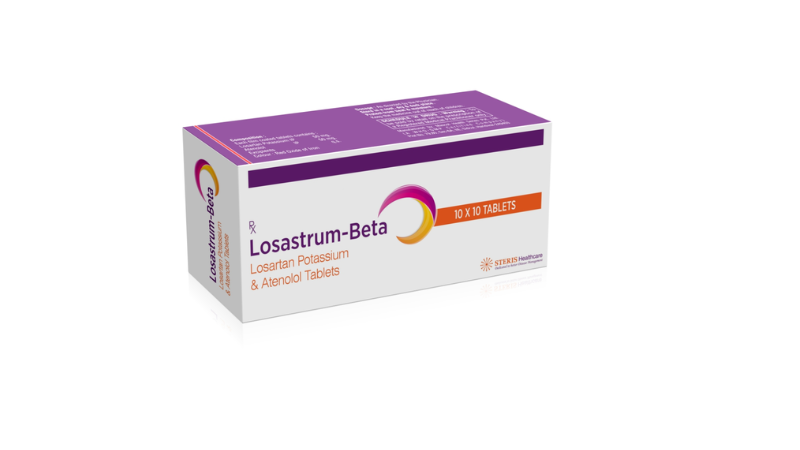
Losartan 50mg Tablet:उपयोग, खुराक और साइड इफेक्ट्स
Esomeprazole 40mg: उपयोग, खुराक और साइड इफेक्ट्स
Esomeprazoleऔर itopride hydrochloride: संपूर्ण मरीज़ गाइड
L-Arginine & L-Citrulline Tablets – Amino Acid & Circulation Support Supplement
Gabapentine 100 mg: उपयोग, फायदे और सावधानियां पूरी जानकारी
Multivitamin & Multimineral Tablets: उपयोग, फायदे और सावधानियां पूरी जानकारी
Bacillus Clausii Spores Suspension क्या है? जानें उपयोग, फायदे और साइड इफेक्ट्स