






Does Coffee Raise Blood Pressure? Understanding Its Effects on Hypertension
Jul 31, 2025
Introduction
Coffee is one of the most consumed beverages in the world. Whether it’s your morning pick-me-up or a mid-afternoon break companion, coffee plays a major role in many people’s daily routines. But for those managing hypertension or concerned about heart health, the question often arises: Does coffee raise blood pressure? Let’s explore the science, the myths, and what you really need to know.
What the Research Says
Coffee contains caffeine, a natural stimulant that can temporarily increase alertness and energy. But it also causes a short-term rise in blood pressure, particularly in people who don't regularly consume caffeine.
- In non-habitual coffee drinkers, caffeine can raise systolic blood pressure by 5-10 mmHg shortly after consumption.
- In regular coffee drinkers, the body tends to build a tolerance, and the effect on blood pressure is often minimal or non-existent over time.
However, people with hypertension (high blood pressure) may still need to monitor their intake carefully.
How Coffee Affects Blood Pressure
- Short-Term Impact: Within 30 minutes of drinking coffee, blood pressure may spike. This effect can last up to 3 hours.
- Long-Term Impact: Habitual coffee drinking doesn't appear to increase the risk of long-term high blood pressure in healthy individuals.
- Individual Differences: Some people are more sensitive to caffeine due to genetics, medications, or health conditions.
Coffee and Hypertension: Should You Be Concerned?
If you have high blood pressure, you don't necessarily have to give up coffee — but moderation is key. Here are a few tips:
- Limit yourself to 1–2 cups per day if you are sensitive to caffeine.
- Monitor your blood pressure before and after drinking coffee to see how your body reacts.
- Consider switching to decaffeinated coffee or low-caffeine alternatives like green tea.
- Avoid adding excessive sugar or high-fat creamers, which can worsen heart health.
Healthy Habits to Complement Your Coffee Routine
- Stay hydrated throughout the day.
- Maintain a balanced diet rich in fruits, vegetables, and whole grains.
- Exercise regularly to help regulate blood pressure.
- Avoid smoking and manage stress through relaxation techniques.
Final Thoughts
Coffee isn’t the enemy — but how it affects your blood pressure depends on your individual health, consumption habits, and lifestyle choices. If you have concerns, speak to your doctor or a healthcare professional before making significant changes to your caffeine intake.
About Steris Healthcare
At Steris Healthcare, we believe in empowering individuals with trusted, evidence-based health information. As a leader in healthcare products and patient care solutions, we are committed to supporting your wellness journey—one cup of coffee at a time.
Stay informed. Stay healthy.
Recent Post

Probiotic Sachet with FOS, L-Glutamine & Colostrum – Uses and Benefits

How Telmisartan and Nebivolol Work to Manage High Blood Pressure

Pimavanserin 34 mg Capsules – Uses & Benefits
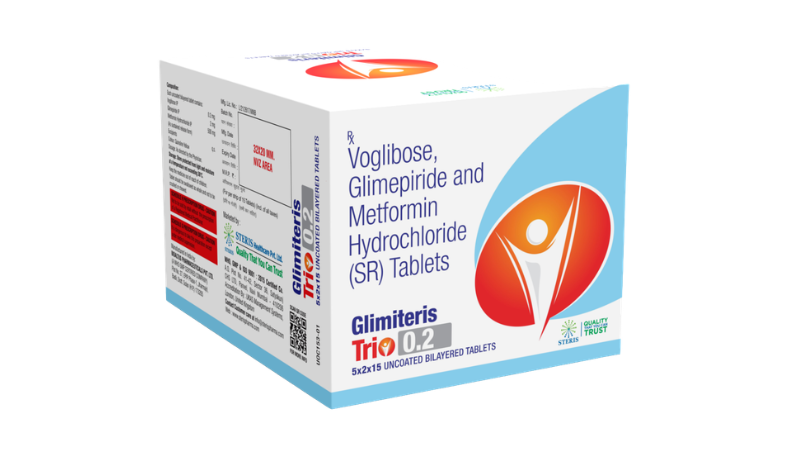
Voglibose, Glimepiride and Metformin: Uses, Benefits and Side Effects
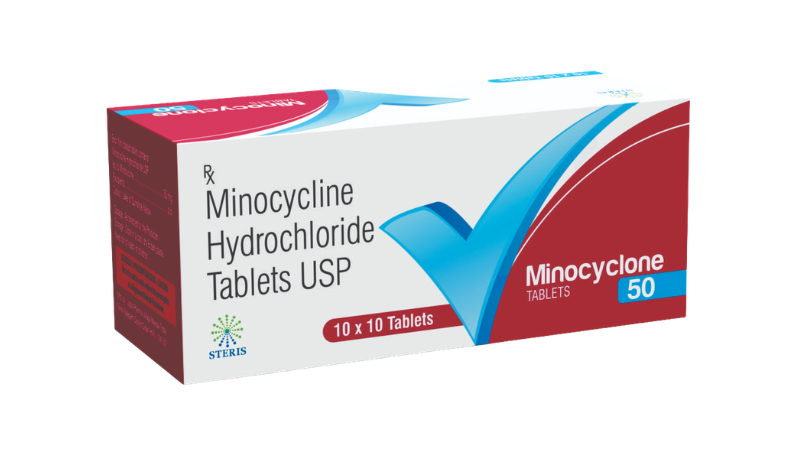
What Is Minocycline Hydrochloride Used For? A Complete Guide
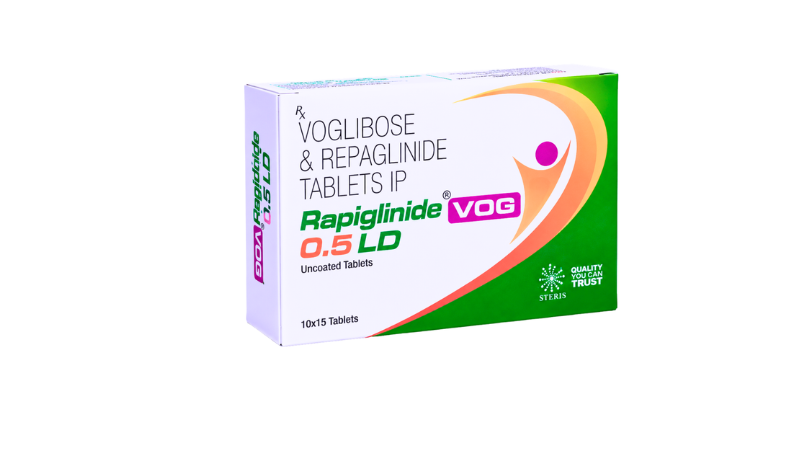
Voglibose and Repaglinide Tablets – Uses, Price & Buy Online in India
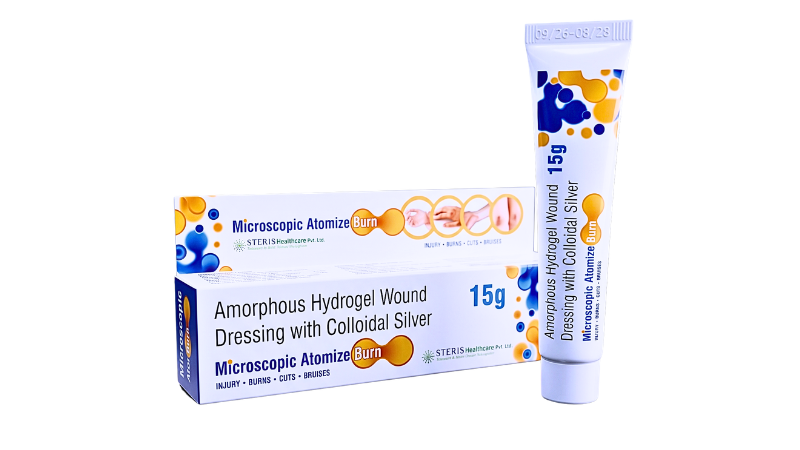
Amorphous Hydrogel with Colloidal Silver: Uses & Benefits

Donepezil Hydrochloride with Memantine Hydrochloride Uses, Benefits & Price in India

Amino Acid with Vitamin and Mineral Tablets Nutritional Support Explained
Fluticasone Furoate, Umeclidinium Bromide & Vilanterol Inhalation Powder

