
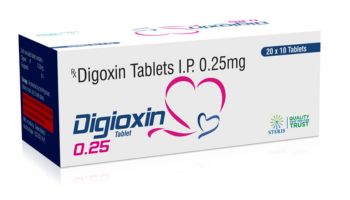



Digoxin 0.25 mg
May 09, 2023
DIGIOXIN 0.25 represents a trusted and established approach to managing heart failure and controlling ventricular rate in atrial fibrillation. As a premier formulation of digoxin 0.25 mg tablets, DIGIOXIN 0.25 has been a cornerstone therapy for cardiac conditions for decades. This comprehensive guide explores every aspect of DIGIOXIN 0.25, from its historical roots and innovative mechanism of action to practical patient management strategies, providing healthcare professionals and patients with essential information for optimal treatment outcomes.
Heart failure and atrial fibrillation remain significant global health challenges, affecting millions of people worldwide. DIGIOXIN 0.25 offers a unique therapeutic approach by improving cardiac contractility and controlling heart rate through its mechanism of action as a cardiac glycoside. This oral medication has transformed the treatment landscape, providing an effective option for patients with symptomatic heart failure and rate control in atrial fibrillation.
Understanding DIGIOXIN 0.25: The Science Behind the Medicine
What is DIGIOXIN 0.25?
DIGIOXIN 0.25 contains digoxin, a cardiac glycoside derived from the foxglove plant (Digitalis lanata). Each tablet contains precisely 0.25 mg of digoxin, formulated to ensure optimal bioavailability and therapeutic efficacy. The medication belongs to a class of drugs known as cardiac glycosides, which work by inhibiting the sodium-potassium ATPase pump in cardiac cells.
The pharmaceutical formulation of DIGIOXIN 0.25 incorporates advanced drug delivery technology, ensuring consistent absorption and therapeutic blood levels. The tablets are manufactured under strict quality control standards, meeting international pharmaceutical guidelines for purity, potency, and stability. This attention to quality ensures that patients receive a reliable, effective medication with each dose.
Mechanism of Action: How DIGIOXIN 0.25 Works
DIGIOXIN 0.25 operates through a sophisticated mechanism that targets the sodium-potassium ATPase pump in cardiac myocytes. This pump is responsible for maintaining the electrochemical gradient across cell membranes, which is essential for normal cardiac function. By inhibiting this pump, DIGIOXIN 0.25 increases intracellular sodium levels, which subsequently leads to an increase in intracellular calcium through the sodium-calcium exchanger.
The increased calcium availability enhances the force of myocardial contraction, providing a positive inotropic effect that improves cardiac output in heart failure. Additionally, the increased intracellular sodium and calcium levels affect the autonomic nervous system, leading to a reduction in sympathetic tone and an increase in parasympathetic activity. This results in a negative dromotropic effect, slowing conduction through the atrioventricular (AV) node and controlling ventricular rate in atrial fibrillation.
The therapeutic effects of DIGIOXIN 0.25 are dose-dependent and require careful monitoring to maintain therapeutic levels while avoiding toxicity. The narrow therapeutic index of digoxin necessitates regular serum level monitoring and electrolyte management to ensure patient safety.
Clinical Applications and Indications
Primary Indications for DIGIOXIN 0.25
DIGIOXIN 0.25 has established indications for several cardiac conditions, primarily focusing on heart failure and atrial fibrillation management. In heart failure, DIGIOXIN 0.25 is used to improve symptoms and reduce hospitalizations in patients with chronic heart failure and reduced ejection fraction. It is particularly beneficial for patients who have persistent symptoms despite optimal therapy with other heart failure medications such as ACE inhibitors, ARBs, beta-blockers, and mineralocorticoid receptor antagonists.
In atrial fibrillation, DIGIOXIN 0.25 is used to control ventricular rate, particularly in patients with permanent or persistent atrial fibrillation. It is especially useful in patients with concomitant heart failure or those who cannot tolerate other rate-control medications like beta-blockers or non-dihydropyridine calcium channel blockers. DIGIOXIN 0.25 provides a reliable method of rate control, particularly in patients with a slow ventricular response or those with preserved systolic function.
Patient Selection Criteria
Appropriate patient selection is crucial for optimizing outcomes with DIGIOXIN 0.25. Ideal candidates include patients with symptomatic chronic heart failure and reduced ejection fraction who have not achieved adequate symptom control with other therapies. Patients should have a stable cardiac condition and no contraindications to digoxin use, such as certain arrhythmias or severe renal impairment.
For atrial fibrillation, patients who are symptomatic despite adequate atrial fibrillation management or who cannot tolerate other rate-control medications are appropriate candidates. DIGIOXIN 0.25 is particularly useful in patients with heart failure and atrial fibrillation, as it addresses both conditions simultaneously. Performance status and comorbidities should be considered, as DIGIOXIN 0.25 requires careful monitoring and may not be suitable for all patients.
Dosing and Administration Guidelines
Standard Dosing Regimen
The recommended starting dose of DIGIOXIN 0.25 is typically 0.125-0.25 mg once daily, adjusted based on patient factors such as age, renal function, and concomitant medications. The initial dose should be based on a careful assessment of the patient's cardiac function, renal clearance, and potential drug interactions. In patients with normal renal function, the starting dose is often 0.125 mg once daily, with increases to 0.25 mg as needed based on clinical response and serum digoxin levels.
In patients with renal impairment, the starting dose should be reduced. For example, patients with a creatinine clearance of 30-50 mL/min may start at 0.125 mg every other day, while those with a clearance of less than 30 mL/min may require an even lower dose or alternate-day dosing. DIGIOXIN 0.25 should be taken with or without food, preferably at the same time each day, to maintain consistent serum levels.
Administration Instructions and Food Interactions
DIGIOXIN 0.25 tablets should be swallowed whole with a full glass of water. They should not be crushed, chewed, or split, as this can affect absorption and increase the risk of toxicity. Patients should be advised to establish a consistent daily routine for taking DIGIOXIN 0.25, ideally at the same time each day, to maintain stable serum levels.
While DIGIOXIN 0.25 can be taken with or without food, it is important to note that certain foods and supplements can affect digoxin absorption. For example, high-fiber foods, antacids containing aluminum or magnesium, and cholestyramine can reduce the absorption of DIGIOXIN 0.25. Patients should be counseled to take DIGIOXIN 0.25 at least two hours before or after consuming these substances to minimize interactions.
Dose Modifications and Special Populations
Dose modifications may be necessary in certain clinical scenarios. For patients experiencing mild to moderate adverse effects, such as nausea or headache, the dose may be reduced temporarily or on an alternating-day basis until symptoms resolve. In patients with severe adverse effects or signs of toxicity, DIGIOXIN 0.25 should be discontinued, and appropriate management initiated.
In elderly patients, the starting dose should generally be lower due to age-related changes in renal function and increased susceptibility to toxicity. For patients with renal impairment, dose adjustments are essential to prevent accumulation and toxicity. In patients with hepatic impairment, DIGIOXIN 0.25 can be used with caution, but close monitoring is required due to the potential for altered metabolism.
Clinical Efficacy and Treatment Outcomes
Evidence from Clinical Trials
The efficacy of DIGIOXIN 0.25 has been demonstrated in multiple landmark clinical trials involving thousands of patients worldwide. In the DIG trial, which evaluated DIGIOXIN 0.25 in patients with chronic heart failure and reduced ejection fraction, treatment resulted in a significant reduction in all-cause mortality and hospitalizations for heart failure compared to placebo. The trial also showed improvements in patient-reported quality of life and symptoms of heart failure.
In studies focusing on atrial fibrillation, DIGIOXIN 0.25 has consistently demonstrated its effectiveness in controlling ventricular rate. In patients with permanent atrial fibrillation, DIGIOXIN 0.25 has been shown to provide reliable rate control, with a lower risk of symptomatic bradycardia compared to some other rate-control medications. This makes it particularly useful in patients with heart failure, where maintaining an adequate cardiac output is crucial.
Real-World Effectiveness
Real-world evidence has largely confirmed the efficacy observed in clinical trials, though with some important nuances. Registry studies and observational cohorts have shown that DIGIOXIN 0.25 maintains its effectiveness across diverse patient populations, including elderly patients and those with multiple comorbidities who might have been excluded from clinical trials. Real-world studies have also provided insights into optimal dosing strategies and the management of digoxin levels in practice.
Quality of life assessments have consistently shown that DIGIOXIN 0.25 treatment is associated with maintained or improved patient-reported outcomes. Patients frequently report improvements in fatigue, dyspnea, and overall well-being, likely reflecting both direct therapeutic effects and the benefits of symptom control. These quality of life benefits are particularly important given that many patients receive DIGIOXIN 0.25 for extended periods, sometimes years, making tolerability and lifestyle impact crucial considerations.
Safety Profile and Side Effect Management
Common Adverse Effects
DIGIOXIN 0.25 is generally well-tolerated, with most adverse effects being mild to moderate in severity and manageable with appropriate intervention. The most frequently reported side effects reflect the pharmacological effects of digoxin and include gastrointestinal symptoms such as nausea, vomiting, anorexia, and abdominal discomfort. Central nervous system effects, including headache, dizziness, fatigue, and confusion, are also common.
Visual disturbances are a hallmark of digoxin toxicity and can occur even at therapeutic levels. Patients may report seeing yellow-green halos around lights, blurred vision, or color vision changes. These symptoms should be taken seriously, as they can indicate early toxicity. Other common adverse effects include weakness, muscle cramps, and arrhythmias, which may range from benign premature beats to more serious ventricular arrhythmias.
Serious Adverse Events and Monitoring Requirements
While serious adverse events are relatively uncommon with DIGIOXIN 0.25, vigilant monitoring is essential for early detection and management. The most concerning adverse events related to DIGIOXIN 0.25 are arrhythmias, which can range from benign premature beats to life-threatening ventricular tachycardia or fibrillation. Hypokalemia, often resulting from concurrent diuretic therapy, significantly increases the risk of digoxin-induced arrhythmias and must be monitored closely.
Hepatotoxicity is rare with DIGIOXIN 0.25 but can occur, particularly in patients with pre-existing liver disease or those taking hepatotoxic medications. Liver function tests should be monitored periodically, especially in patients at higher risk. Other serious adverse events include bradyarrhythmias, such as sinus node dysfunction or high-degree AV block, which may require pacemaker implantation in severe cases.
Drug Interactions and Contraindications
Pharmacokinetic Interactions
DIGIOXIN 0.25 is subject to numerous drug-drug interactions that can significantly affect its efficacy and safety. Medications that increase serum digoxin levels include macrolide antibiotics (e.g., erythromycin, clarithromycin), quinidine, amiodarone, and certain diuretics that cause hypokalemia. These interactions can increase the risk of toxicity and require dose adjustment or avoidance of concomitant use.
Medications that decrease serum digoxin levels include cholestyramine, colestipol, and antacids containing aluminum or magnesium hydroxide. These agents can bind digoxin in the gastrointestinal tract, reducing its absorption. Patients should be advised to take DIGIOXIN 0.25 at least two hours before or after these medications to minimize interactions.
Contraindications and Precautions
DIGIOXIN 0.25 is contraindicated in patients with ventricular fibrillation, certain types of AV block (second- or third-degree without a pacemaker), and known hypersensitivity to digoxin. It should be used with caution in patients with recent myocardial infarction, as digoxin can increase the risk of arrhythmias in this setting. Patients with severe renal impairment or unstable hemodynamics should also be monitored closely.
DIGIOXIN 0.25 should be used with caution in patients with electrolyte abnormalities, particularly hypokalemia, hypercalcemia, and hypermagnesemia, as these can potentiate digoxin toxicity. Patients with a history of thyroid disease should have their thyroid status monitored regularly, as both hyperthyroidism and hypothyroidism can affect digoxin levels and efficacy.
Special Populations and Considerations
Elderly Patients
The majority of heart failure and atrial fibrillation patients are elderly, and age-specific considerations are important when prescribing DIGIOXIN 0.25. Clinical trials have shown that elderly patients (≥75 years) derive similar benefits from DIGIOXIN 0.25 as younger patients, with no significant differences in efficacy outcomes. However, elderly patients may experience slightly higher rates of certain adverse effects, particularly gastrointestinal symptoms and arrhythmias.
Polypharmacy is common in elderly patients, increasing the risk of drug interactions. A thorough medication review should be conducted before initiating DIGIOXIN 0.25, with particular attention to medications that affect renal function, electrolyte balance, and cardiac conduction. Cognitive function should be assessed, as adherence to the complex monitoring requirements of DIGIOXIN 0.25 may be challenging for patients with dementia or mild cognitive impairment.
Patients with Comorbidities
Many heart failure and atrial fibrillation patients have significant comorbidities that may affect DIGIOXIN 0.25 treatment. Diabetes mellitus requires special attention, as DIGIOXIN 0.25 can cause gastrointestinal symptoms that may mimic or exacerbate diabetic gastroparesis. More importantly, concurrent use of diuretics can lead to hypokalemia, increasing the risk of digoxin toxicity.
Patients with renal impairment require dose adjustments and more frequent monitoring of serum digoxin levels and renal function. In patients with hepatic impairment, DIGIOXIN 0.25 can be used with caution, but close monitoring is required due to the potential for altered metabolism and increased toxicity risk.
Combination Therapies and Treatment Sequencing
Current Combination Strategies
The landscape of heart failure and atrial fibrillation treatment has evolved to include various combination strategies involving DIGIOXIN 0.25. In heart failure, DIGIOXIN 0.25 is often combined with other heart failure medications, such as ACE inhibitors, ARBs, beta-blockers, and mineralocorticoid receptor antagonists, to achieve comprehensive disease management. This combination approach addresses multiple pathophysiological pathways and has been shown to improve outcomes.
In atrial fibrillation, DIGIOXIN 0.25 is frequently used in combination with anticoagulation therapy to prevent stroke and systemic embolism. It may also be combined with other rate-control medications, such as beta-blockers or non-dihydropyridine calcium channel blockers, in patients who require additional rate control. However, careful monitoring is necessary to avoid excessive bradycardia or AV block.
Optimal Sequencing Approaches
The sequencing of DIGIOXIN 0.25 with other therapies remains an area of active investigation. Current evidence suggests that using DIGIOXIN 0.25 earlier in the disease course, particularly in the context of symptomatic heart failure, provides greater absolute benefits than reserving it for later use. However, questions remain about the optimal sequence when multiple novel hormonal agents are available.
Cross-resistance between DIGIOXIN 0.25 and other rate-control medications has been observed, with response rates to second-line rate-control therapy being lower than to first-line therapy. This has led some experts to recommend alternating mechanisms of action, such as following DIGIOXIN 0.25 with catheter ablation rather than another rate-control medication. However, individual patient factors, including symptom burden, disease distribution, and patient preference, ultimately guide sequencing decisions.
Patient Education and Support
Key Educational Points for Patients
Comprehensive patient education is crucial for successful DIGIOXIN 0.25 therapy. Patients must understand the importance of adherence to the dosing regimen, particularly the need for consistent timing to maintain stable serum levels. Visual aids, such as medication calendars and smartphone reminders, can help patients maintain consistent dosing schedules. Written instructions should be provided in the patient's preferred language, with clear explanations of what constitutes an empty stomach if relevant.
Patients should be educated about potential side effects and when to seek medical attention. While most side effects are manageable, patients need to recognize warning signs of serious complications. For example, severe nausea, vomiting, or visual disturbances could indicate toxicity, while sudden dizziness or fainting might suggest arrhythmias. Providing patients with a wallet card indicating their DIGIOXIN 0.25 therapy can be helpful in emergency situations.
The importance of concurrent medications and lifestyle modifications cannot be overstated. Patients should be counseled never to stop DIGIOXIN 0.25 abruptly and to inform all healthcare providers about their therapy. They should be educated about the need for regular monitoring, including blood tests for electrolytes and digoxin levels, and the importance of reporting any new symptoms promptly.
Lifestyle Modifications and Support Services
Lifestyle modifications can help optimize treatment outcomes and manage side effects. Regular, moderate exercise can help improve cardiac function and reduce symptoms of heart failure, though patients should be counseled to avoid overexertion. Dietary modifications, including sodium restriction for those with fluid retention and adequate potassium intake for those on diuretics, may be beneficial. Patients should be encouraged to maintain adequate hydration, particularly in hot weather or during illness.
Psychological support is an important but often overlooked aspect of care. The diagnosis of heart failure or atrial fibrillation and the prospect of long-term treatment can cause significant emotional distress. Referral to support groups, either in-person or online, can provide valuable peer support. Professional counseling may be beneficial for patients experiencing depression, anxiety, or relationship difficulties related to their diagnosis and treatment.
Monitoring and Follow-up Protocols
Laboratory Monitoring Requirements
Systematic monitoring is essential for safe and effective DIGIOXIN 0.25 therapy. Baseline laboratory assessments should include complete blood count, comprehensive metabolic panel, liver function tests, and serum digoxin level. Electrolytes, particularly potassium and magnesium, should be monitored closely, as digoxin toxicity is potentiated by hypokalemia and hypomagnesemia.
During the first three months of treatment, serum digoxin levels should be measured every two weeks, then monthly thereafter if stable. Target therapeutic levels depend on the indication: for heart failure, the target range is typically 0.5-2.0 ng/mL, while for atrial fibrillation rate control, the range may be lower, around 0.5-1.2 ng/mL. Adjustments to the DIGIOXIN 0.25 dose should be made based on these levels and clinical response.
Renal function should be monitored periodically, as changes in creatinine clearance can affect digoxin dosing. Liver function tests should be performed at baseline and periodically, especially in patients with pre-existing liver disease or those taking hepatotoxic medications. Blood pressure and heart rate should be monitored at each visit to assess for hypotension or bradycardia.
Clinical Assessment and Response Evaluation
Regular clinical assessment allows for early detection of treatment-related complications and evaluation of treatment response. Physical examination should focus on signs of fluid overload, such as peripheral edema, jugular venous distension, and pulmonary crackles. Cardiovascular examination is important for detecting new murmurs, rhythm abnormalities, or signs of heart block.
Response assessment typically involves a combination of biochemical (digoxin levels, electrolytes), radiographic, and clinical parameters. In heart failure, response is often evaluated using symptoms, functional class (e.g., NYHA), and hospitalization rates. In atrial fibrillation, response is assessed by ventricular rate control and symptom relief. Imaging studies, such as echocardiography, may be performed periodically to assess cardiac function and guide therapy adjustments.
Patient-reported outcomes, including symptom diaries, quality of life measures, and exercise tolerance tests, provide valuable information about treatment benefit from the patient's perspective. These tools help identify subtle improvements or declines that may not be apparent from traditional clinical measures alone.
Cost Considerations and Access
Economic Aspects of DIGIOXIN 0.25 Treatment
The cost of DIGIOXIN 0.25 represents a significant consideration for patients, healthcare systems, and society. While the medication provides substantial clinical benefits, its cost can create access barriers. Many patients require financial assistance programs, either through manufacturer support, government programs, or private foundations. Healthcare providers should be familiar with available resources and have systems in place to help patients navigate financial assistance options.
Cost-effectiveness analyses have generally shown DIGIOXIN 0.25 to be within acceptable ranges for heart failure and atrial fibrillation therapies, particularly when used in earlier disease stages where absolute benefits are greater. However, the long duration of treatment, sometimes extending for years, means that cumulative costs can be substantial. This has led to discussions about treatment holidays or dose optimization strategies, though evidence supporting these approaches remains limited.
Global Access and Availability
Access to DIGIOXIN 0.25 varies significantly worldwide, with disparities between high-income and low-to-middle-income countries. While the medication is widely available in developed countries, access remains limited in many parts of the world due to cost, regulatory barriers, and healthcare infrastructure limitations. Generic versions of digoxin have become available in some markets, potentially improving access, though quality and bioequivalence concerns exist with some formulations.
International collaborations and access programs have been developed to improve global availability of DIGIOXIN 0.25. These include differential pricing strategies, voluntary licensing agreements, and donation programs. However, significant work remains to ensure equitable access to this important cardiac therapy worldwide.
Future Directions and Emerging Research
Novel Combinations and Strategies
Research continues to explore new ways to optimize DIGIOXIN 0.25 therapy. Combination with immunotherapy, particularly immune checkpoint inhibitors, is an area of active investigation. Early studies suggest potential synergy, with DIGIOXIN 0.25 potentially enhancing immune responses through effects on the tumor microenvironment. Combination with radiotherapy, either to the primary tumor or metastatic sites, is also being evaluated, with some evidence suggesting enhanced radiosensitization.
Biomarker-driven approaches represent another frontier in DIGIOXIN 0.25 optimization. Efforts to identify predictive biomarkers that can identify patients most likely to benefit from DIGIOXIN 0.25 are ongoing. These include germline and somatic genetic markers, circulating tumor cells, and novel imaging techniques. Personalized medicine approaches may eventually allow for more precise patient selection and treatment monitoring.
Next-Generation Cardiac Glycosides
While DIGIOXIN 0.25 has been highly successful, research continues on next-generation cardiac glycosides that may offer advantages. These include compounds with improved selectivity, potentially reducing the need for concurrent corticosteroids, and agents with activity against resistance mechanisms. Some newer agents are being designed to have dual mechanisms of action, combining cardiac glycoside effects with androgen receptor antagonism or other anti-cancer activities.
Development of alternative formulations of digoxin is also underway. These include efforts to overcome the narrow therapeutic index, potentially allowing for more flexible dosing and improved patient convenience. Novel delivery systems, including depot formulations for extended release, could improve adherence and maintain more consistent drug levels.
Conclusion
DIGIOXIN 0.25 represents a trusted and established approach to managing heart failure and controlling ventricular rate in atrial fibrillation. As a premier formulation of digoxin 0.25 mg tablets, DIGIOXIN 0.25 has been a cornerstone therapy for cardiac conditions for decades. This comprehensive guide explores every aspect of DIGIOXIN 0.25, from its historical roots and innovative mechanism of action to practical patient management strategies, providing healthcare professionals and patients with essential information for optimal treatment outcomes.
Heart failure and atrial fibrillation remain significant global health challenges, affecting millions of people worldwide. DIGIOXIN 0.25 offers a unique therapeutic approach by improving cardiac contractility and controlling heart rate through its mechanism of action as a cardiac glycoside. This oral medication has transformed the treatment landscape, providing an effective option for patients with symptomatic heart failure and rate control in atrial fibrillation.
Success with DIGIOXIN 0.25 requires careful patient selection, appropriate dosing and administration, vigilant monitoring, and comprehensive patient education. Healthcare providers must be familiar with the complexities of DIGIOXIN 0.25 therapy, including its narrow therapeutic index, potential drug interactions, and the need for regular monitoring of serum levels and electrolytes. Patients must be engaged as active partners in their care, understanding both the benefits and responsibilities that come with DIGIOXIN 0.25 treatment.
Looking forward, DIGIOXIN 0.25 will likely remain an important treatment option even as the therapeutic landscape continues to evolve. Ongoing research into optimal sequencing, novel combinations, and predictive biomarkers will help maximize the benefit of this important medication. As generic formulations become more widely available, improved access may allow more patients worldwide to benefit from this therapy.
The story of DIGIOXIN 0.25 exemplifies the progress that has been made in cardiac care over the past decades. From a disease with limited treatment options beyond bed rest and symptom management, heart failure and atrial fibrillation have become increasingly manageable, with many patients experiencing years of disease control and maintained quality of life. DIGIOXIN 0.25 has played a central role in this transformation and continues to offer hope to patients and their families facing these challenging conditions.
For healthcare providers, DIGIOXIN 0.25 offers a powerful tool in the fight against heart failure and atrial fibrillation, but one that requires knowledge, skill, and attention to detail to use optimally. For patients, it represents hope for extended survival and maintained quality of life, though with the responsibility of adherence to complex treatment regimens. Together, through continued research, education, and clinical excellence, we can maximize the potential of DIGIOXIN 0.25 to improve outcomes for patients with heart failure and atrial fibrillation worldwide.
If You Want To Purchase The Product Click Here.
We Have Our Cardiology Range.
From quality and niche products STERIS HEALTHCARE PVT LTD grow rapidly in all segments. STERIS HEALTHCARE products range covers almost every cadre of requirement in today's Medical scenario, widely prescribed under categories like Cardiology, Asthama, Respiratory, Nasal, Diabetic, Endocrinology, Cardiology, Gastrology, Orthopaedic, Anti-infective/antibiotic, General, Urology, Neurology, Nephrology, Oncology, Gynaecology, Pediatric, Dental & Derma range of Products. We have been around for more than 8 years. However, within a short span of time STERIS HEALTHCARE has increase his product range from 0 to 1800+ in Seven years. STERIS is careful to balance growth with the unshakable quality assurance systems for which the company is now recognized, the founders were quickly able to broaden their footprint in the market, increasing access to high-quality Healthcare for people across the globe, at every stage of life.

Recent Post
Isosorbide Mononitrate 60 mg in Long-Term Angina Management: Role and Best Practices Steris Healthcare.
How Ribavirin Capsules Help in Treating Chronic Viral Infections Steris Healthcare.
Mefenamic Acid With Paracetamol Suspension Effective Relief for Pain and Fever in Kids Steris Healthcare.
Levosalbutamol and Ipratropium Bromide Respirator Solution Quick Relief for Wheezing & Tight Airways Steris Healthcare.
Levosalbutamol Respiratory Solution 0.31 mg Trusted Relief for Breathing Problems Steris Healthcare.
Sumatriptan Naproxen Tablets View Uses, Benefits, Dosage, Side Effects Steris Healthcare.
Megestrol Acetate 160 mg tablet: uses, dosage, side effects,
Telmisartan and Hydrochlorothiazide Tablet, Uses, Dosage, Benefits
Clopidogrel 75 mg and Aspirin 150 mg uses, dosage, side effects and more
Amiodarone Hydrochloride Tablet uses, Dosage, Side Effects, precautions and more

