


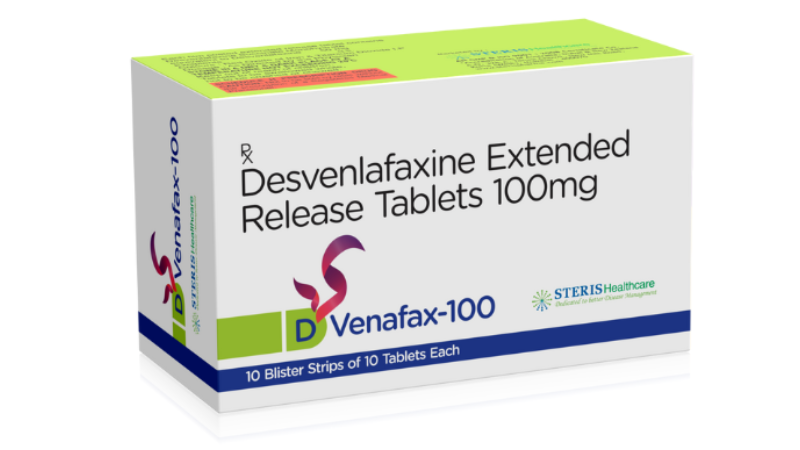



Desvenlafaxine ER 100
Jul 14, 2023
Desvenlafaxine 100 mg
Introduction
DVENAFAX 100 ER contains Desvenlafaxine 100 mg, a serotonin-norepinephrine reuptake inhibitor (SNRI) used in the treatment of major depressive disorder (MDD) and related mood conditions. This extended-release formulation ensures steady plasma concentration throughout the day, improving compliance and reducing side effects.Formulated by Steris Healthcare, DVENAFAX 100 ER ensures consistent therapeutic efficacy, improved tolerability, and reliable patient outcomes in managing depression and emotional imbalance.
What is Desvenlafaxine 100 mg?
Desvenlafaxine is an active metabolite of venlafaxine and works by inhibiting the reuptake of serotonin and norepinephrine, two key neurotransmitters involved in mood regulation. It enhances their activity in the brain, helping relieve symptoms of depression, anxiety, and low energy.The 100 mg extended-release tablet is commonly used in moderate to severe depressive disorders and is often prescribed once daily.
Desvenlafaxine 100 mg Uses
DVENAFAX 100 ER is primarily used for:
-
Major Depressive Disorder (MDD)
-
Anxiety Disorders (off-label)
-
Menopausal Vasomotor Symptoms (hot flashes) – off-label
-
Fatigue and mood-related symptoms in chronic pain – off-label
-
Prevention of depression relapse
Desvenlafaxine 100 mg Side Effects
Like all medications, tab desvenlafaxine 100 mg can cause side effects. These are usually mild and temporary:
Common Side Effects:
-
Nausea
-
Dizziness
-
Insomnia or drowsiness
-
Dry mouth
-
Sweating
-
Constipation
-
Decreased appetite
Serious Side Effects (Less Common):
-
Increased blood pressure
-
Suicidal thoughts (especially in adolescents or young adults)
-
Serotonin syndrome (when combined with other serotonergic drugs)
-
Liver enzyme elevation
-
Abnormal bleeding or bruising
Always report persistent or unusual side effects to your doctor.
Precautions Before Using DVENAFAX 100 ER
-
Not for use in children or adolescents under 18 years unless prescribed
-
Inform your doctor if you have:
-
Liver or kidney disease
-
Hypertension
-
Seizure disorders
-
Bipolar disorder
-
-
Use with caution during pregnancy and breastfeeding
-
Avoid alcohol and other CNS depressants
Drug Interactions with Desvenlafaxine 100 mg
-
MAO Inhibitors: Do not use within 14 days of MAOI use (can cause serotonin syndrome)
-
SSRIs, SNRIs, Tramadol: Risk of serotonin syndrome
-
NSAIDs, Aspirin, Blood thinners: Increased risk of bleeding
-
Diuretics or antihypertensives: May affect blood pressure regulation
Always share a full medication list with your healthcare provider before starting DVENAFAX 100 ER.
Mechanism of Action: How Desvenlafaxine Works
Desvenlafaxine selectively inhibits the reuptake of serotonin and norepinephrine, increasing their levels in the central nervous system. This:
-
Enhances neurotransmission linked to mood and energy
-
Reduces hypersensitivity in neural pain pathways
-
Stabilizes emotional response
-
Improves sleep and focus indirectly
It does not significantly affect dopamine uptake at therapeutic doses.
Pharmacokinetics (Clinical Insight)
-
Absorption: High oral bioavailability (~80%)
-
Peak Plasma Time: ~7.5 hours post-dose (due to extended-release)
-
Half-life: ~11 hours
-
Metabolism: Primarily conjugated; minimal liver enzyme dependence
-
Excretion: Mainly via urine (45% unchanged)
-
Dose Adjustments: Required in renal impairment, not essential for hepatic dysfunction due to minimal hepatic metabolism.
Desvenlafaxine 100 mg Dosage & Administration
-
Typical Dose: 50–100 mg once daily
-
Administration: With or without food; swallow whole, do not crush or chew
-
Duration: Continue for several months for full therapeutic benefit or as advised by your psychiatrist
Note: Do not stop this medication suddenly. Tapering is essential to prevent withdrawal symptoms like agitation, headache, irritability, and dizziness.
Use in Special Populations
Pregnancy & Breastfeeding:
-
Use only if benefits outweigh risks. May cause withdrawal in newborns.
-
Not first-line unless necessary during gestation.
Elderly:
-
Start at lower dose due to increased risk of hyponatremia and falls.
Renal Impairment:
-
Dose adjustments required in moderate to severe kidney disease.
Why Choose DVENAFAX 100 ER by Steris Healthcare?
-
Manufactured under WHO-GMP certified standards
-
Extended-release formulation for better tolerability and once-daily convenience
-
Cost-effective and patient-friendly antidepressant therapy
-
Preferred by psychiatrists and general physicians across India
-
Backed by Steris Healthcare’s strong legacy of quality, consistency, and efficacy
Drug Interactions with Desvenlafaxine
| Interacting Substance | Interaction |
|---|---|
| MAO Inhibitors (e.g., isocarboxazid) | Risk of fatal serotonin syndrome |
| SSRIs, SNRIs, Triptans | May enhance serotonergic toxicity |
| NSAIDs, Aspirin, Warfarin | Increased risk of GI or skin bleeding |
| Diuretics | Electrolyte imbalance may increase risk of seizures |
| CNS Depressants (e.g., alcohol) | Increased sedation, cognitive impairment |
Withdrawal Symptoms on Sudden Discontinuation
Stopping DVENAFAX 100 ER suddenly can cause:
-
Dizziness
-
Irritability
-
Insomnia
-
Headache
-
Sensory disturbances ("brain zaps")
-
Nausea
Always taper off under physician guidance.
FAQs – Desvenlafaxine 100 mg (DVENAFAX 100 ER)
Q1. What is Desvenlafaxine 100 mg used for?
Desvenlafaxine 100 mg is primarily used to treat major depressive disorder (MDD). It is also used off-label for anxiety disorders, menopausal hot flashes, and chronic pain-related fatigue. It helps improve mood, energy levels, and interest in daily living.
Q2. How long does it take for DVENAFAX 100 ER to work?
It may take 1 to 2 weeks to feel initial improvements in sleep, energy, and appetite. Full antidepressant effects usually appear after 4 to 6 weeks of regular use.
Q3. Can Desvenlafaxine 100 mg be taken at night?
Yes, it can be taken either in the morning or evening, depending on how your body responds. If it causes drowsiness, taking it at night is better. If it causes insomnia, take it in the morning.
Q4. What are the side effects of Desvenlafaxine 100 mg?
Common side effects include:
-
Nausea
-
Dry mouth
-
Dizziness
-
Insomnia or drowsiness
-
Sweating
-
Constipation
Serious but rare side effects may include increased blood pressure, liver issues, and serotonin syndrome.
Q5. Is Desvenlafaxine habit-forming or addictive?
No, Desvenlafaxine is not addictive. However, stopping it suddenly can lead to withdrawal symptoms such as headache, agitation, or sleep problems. Always taper under medical supervision.
Conclusion
DVENAFAX 100 ER (Desvenlafaxine 100 mg Tablet) is a trusted SNRI antidepressant used in the effective management of depression, anxiety, and emotional disturbances. With a once-daily dosing regimen and extended-release technology, it offers steady relief, minimal side effects, and long-term mood stabilization.
For best results, use under medical supervision and continue therapy as prescribed.
Recent Post

What to Know Before Starting Everolimus 0.5 mg Therapy

Why Doctors Prescribe Atorvastatin 10mg, Aspirin 75mg, and Ramipril 5mg Together

Why Euphorbia Prostrata Extract and Calcium Dobesilate Tablets Are Used in Piles Treatment

Before Taking Carbamazepine Extended Release 400 mg, Read This

Everything You Need to Know About Roxithromycin Tablet IP 150 mg

Calcium Acetate 667 mg: Uses, Benefits, Dosage, Side Effects & Complete Guide .

How Lycopene, Astaxanthin and Soya Protein Hydrolysate Tablets Boost Energy, Immunity and Skin Health

What Is Lactulose Enema 20% w/v? Everything You Need to Know

Best Vitamin C and Zinc Chewable Tablets for Strong Immunity in India

What Are Metformin HCl PR 850 mg & Glimepiride 3 mg Tablets?