


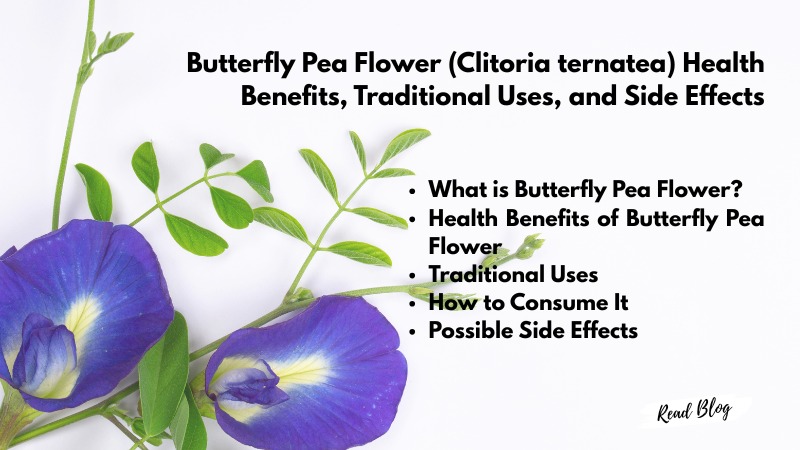



Butterfly Pea Flower (Clitoria ternatea): Health Benefits, Traditional Uses, and Side Effects
Aug 04, 2025
Introduction
Known for its vibrant blue hue and enchanting appearance, the Butterfly Pea Flower (Clitoria ternatea) is more than just a pretty bloom. Deeply rooted in traditional Ayurvedic and Southeast Asian medicine, this flower is gaining global popularity for its therapeutic properties and use in teas, supplements, and cosmetics.
If you're looking for a natural way to boost your brain, improve your skin, or simply sip on a calming herbal tea, Butterfly Pea might just be the herb you’re missing.
What is a Butterfly Pea Flower?
Butterfly Pea is a flowering plant native to Asia. Also called Shankhpushpi in Ayurveda, it's commonly used in herbal teas and health drinks. The plant is rich in antioxidants, anthocyanins, and flavonoids that promote health and well-being.
Health Benefits of Butterfly Pea Flower
1. Boosts Brain Function
This flower is believed to enhance memory and cognitive abilities. Traditionally used in Ayurvedic medicine, it helps reduce mental fatigue and anxiety.
2. Rich in Antioxidants
Butterfly Pea is loaded with anthocyanins, the same antioxidants found in blueberries, which help fight free radicals and slow down cellular aging.
3. Reduces Stress and Supports Sleep
A cup of butterfly pea tea can calm your nerves and improve sleep quality, making it a popular nighttime drink in many cultures.4. Supports Eye Health
Its antioxidant content is believed to promote healthy vision and reduce symptoms of eye fatigue—ideal for those who spend long hours on screens.5. Improves Skin & Hair Health
Butterfly Pea's anti-glycation and anti-inflammatory effects help reduce wrinkles, improve skin texture, and support stronger hair growth.
6. Natural Diuretic
It helps detoxify the body by promoting urine flow, which may reduce water retention and bloating.
Traditional Uses
- In Ayurveda: Used as a brain tonic and mood enhancer.
- In Thai cuisine: Infused in drinks, rice, and desserts.
- In cosmetics: Added to facial masks and shampoos for skin and hair benefits.
How to Consume It
- Butterfly Pea Tea: Simply steep the dried flowers in hot water for 3–5 minutes.
- Smoothies & Juices: Mix the extract with lemon or lime juice to change the color from blue to purple—a fun and healthy beverage.
- Capsules & Powders: Available in supplement form for convenience.
Possible Side Effects
Generally safe when taken in moderate amounts, but:
- Excessive use may lead to nausea or stomach upset in sensitive individuals.
- Pregnant or breastfeeding women should consult a doctor before use.
Conclusion
Butterfly Pea Flower is a stunning herb with a long history of traditional healing and modern wellness applications. Whether you enjoy it in tea or as part of your beauty routine, it offers natural support for the mind, body, and soul.
Explore Plant-Based Wellness with Steris Healthcare Pvt Ltd
Steris Healthcare Pvt Ltd is committed to offering safe, effective, and nature-inspired wellness solutions. Stay tuned to SterisOnline.com for herbal innovations, plant-based supplements, and products that care for you—inside and out.
Recent Post

Can Semaglutide Injection Be Used Without Diabetes?
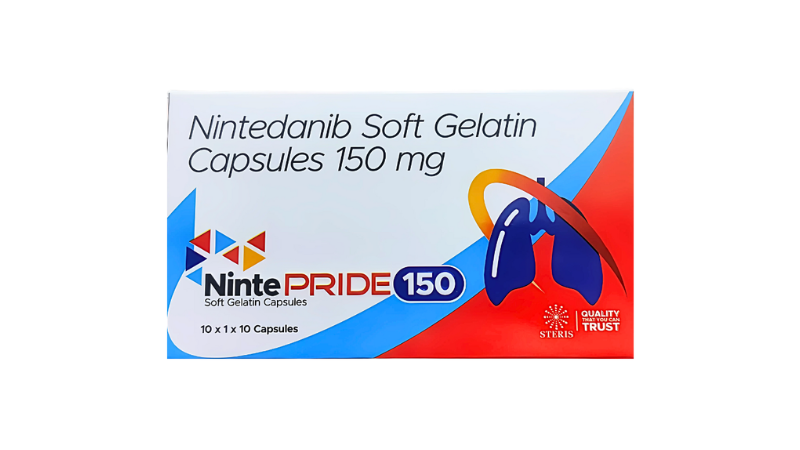
What Are Nintedanib Soft Gelatin Capsules Used For? Complete Guide

Where to Buy Semaglutide Injection in India: Price, Pen & Prescription Guide

ERITOCOX BENZ 60/5 Dosage Guide: How to Take Etoricoxib & Cyclobenzaprine Tablets Safely
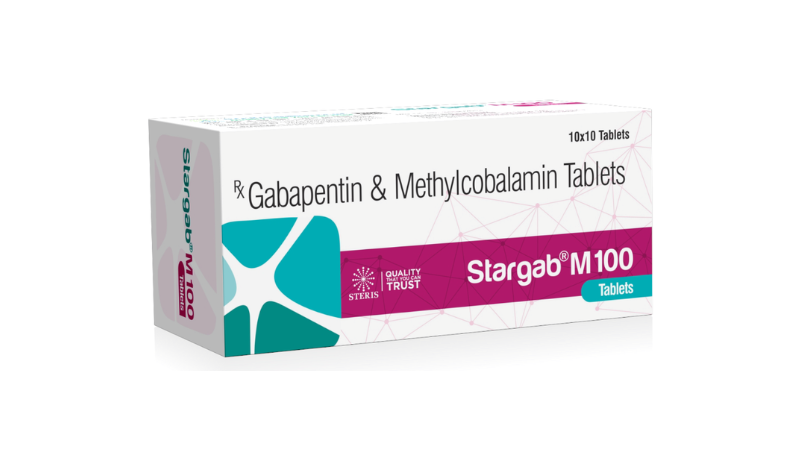
Gabapentin and Methylcobalamin Tablets Side Effects: What Patients Should Know
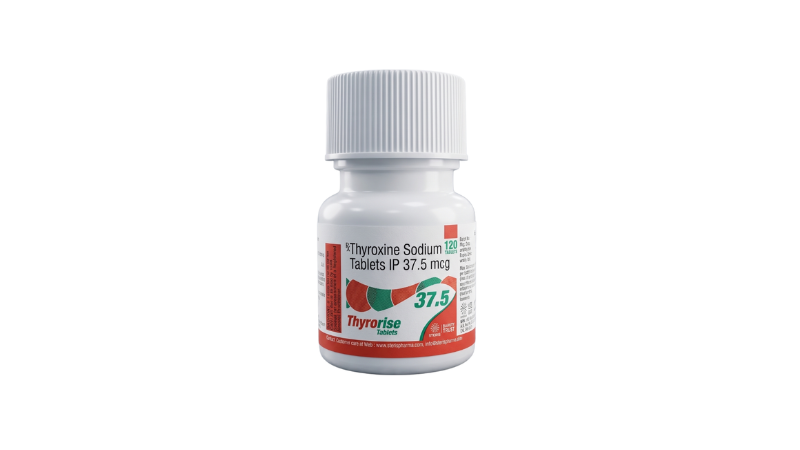
Thyroxine sodium tablets IP: उपयोग, फायदे और साइड इफेक्ट्स

Semaglutide 2 mg Injection Dosage Guide: How to Use It Safely
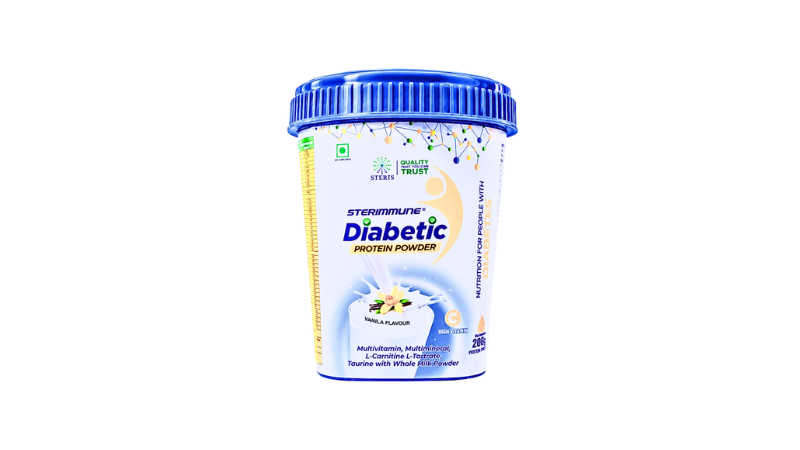
Buy Multivitamin + L-Carnitine + Taurine Protein Powder | Sterimmune

Semaglutide Injection Pen 8 mg: Step-by-Step Dosage & Precautions

BEST semaglutide injection price in india

